Water-Resistant Flooring for Malaysian Homes: Conquer Humidity & Spills with Style
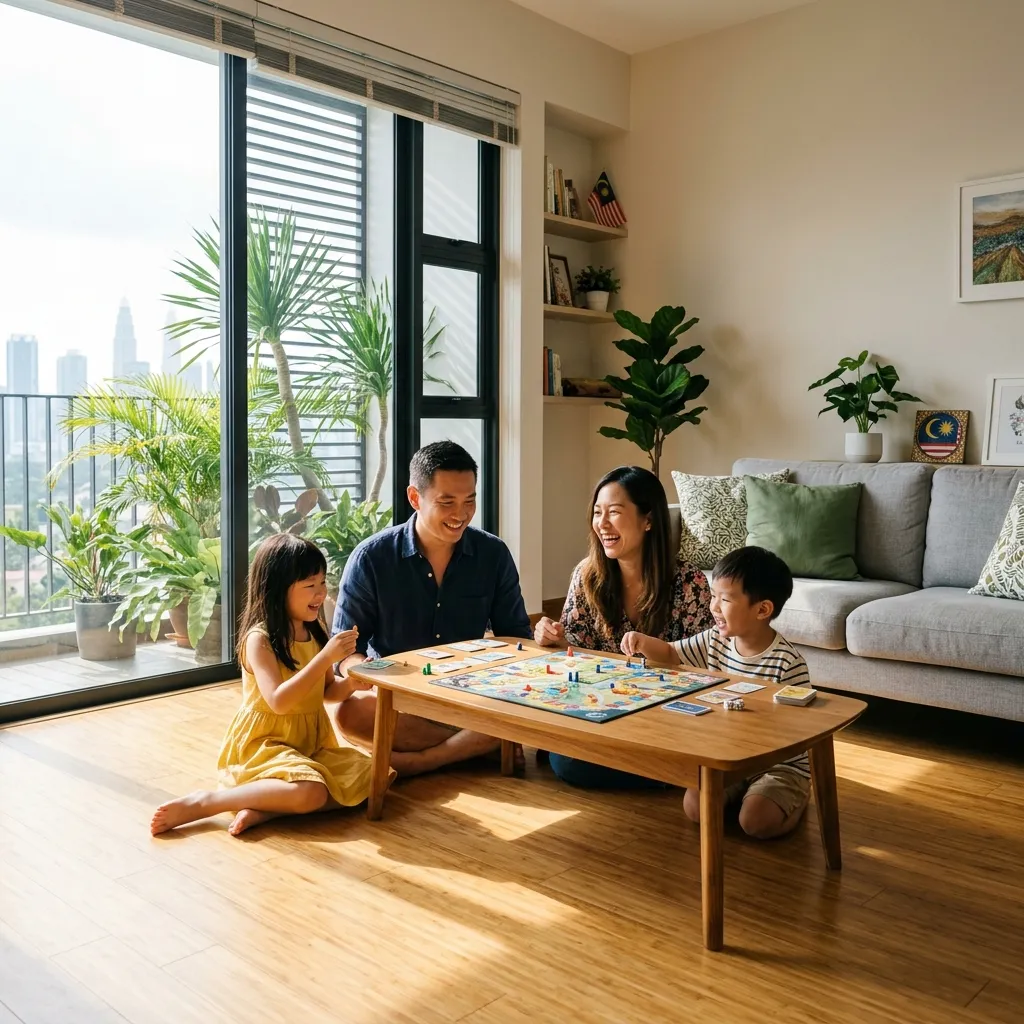
Malaysia's tropical climate, characterized by high humidity and frequent rainfall, presents unique challenges for homeowners. Beyond the aesthetic appeal, the practicality and durability of your flooring are paramount. Water damage, mold growth, and warping are common concerns. Fortunately, a variety of water-resistant flooring options are available that not only withstand these elements but also enhance your home's style and value. This guide will explore the best choices for Malaysian homes, considering factors like moisture resistance, maintenance, and local climatic conditions.
Why Water-Resistant Flooring is Essential in Malaysia
The Malaysian climate is a double-edged sword: it offers lush greenery and warm temperatures, but it also brings relentless humidity, unpredictable downpours, and the ever-present threat of spills. Traditional flooring materials like solid wood can easily warp, swell, or even rot under such conditions. Moisture can seep into subfloors, leading to costly repairs, mold infestations, and a compromised indoor air quality. Choosing water-resistant flooring is not just a matter of aesthetics; it's a crucial investment in the longevity and health of your home. It offers peace of mind, reducing the risk of damage from common household incidents like dropped drinks, pet accidents, or even minor leaks. Furthermore, in high-traffic areas such as kitchens, bathrooms, and entryways, such flooring ensures easier cleaning and maintenance, keeping your home looking pristine despite the tropical challenges.
Top Water-Resistant Flooring Options for the Malaysian Climate
Luxury Vinyl Plank (LVP)
Luxury Vinyl Plank (LVP) is arguably the king of water-resistant flooring for Malaysian homes. Its multi-layered construction, typically featuring a protective wear layer, a design layer, a core layer (often made of PVC or SPC - Stone Plastic Composite), and a backing layer, makes it exceptionally resilient. SPC flooring, in particular, is known for its rigid core, offering superior stability and scratch resistance. LVP is waterproof, not just water-resistant, meaning it can handle standing water without damage. It's also relatively affordable and comes in a vast array of designs mimicking natural wood, stone, or tile, making it a versatile choice for any room.
Waterproof Laminate Flooring
Modern laminate flooring has evolved significantly. While traditional laminate was susceptible to water damage, newer 'waterproof' or 'water-resistant' versions are engineered with a highly water-repellent core and tightly sealed edges. They offer the aesthetic appeal of wood or stone at a lower price point than LVP or genuine hardwood. However, it's crucial to choose specifically marketed waterproof laminate, as standard laminate will still swell if exposed to prolonged moisture.
Engineered Wood Flooring (with caution)
While not entirely waterproof, high-quality engineered wood flooring can offer better moisture resistance than solid hardwood. It consists of a thin layer of real wood veneer on top of multiple layers of plywood or high-density fiberboard. This construction makes it more dimensionally stable and less prone to warping from humidity fluctuations. For Malaysian homes, opt for engineered wood with a robust sealant and consider it for areas with moderate humidity exposure, rather than splash-prone zones like bathrooms or kitchens.
Tile (Ceramic & Porcelain)
Tiles have long been a go-to for wet areas in tropical climates. Both ceramic and porcelain tiles are inherently waterproof and extremely durable. Porcelain is denser and less porous than ceramic, making it even more resistant to stains and moisture, and ideal for high-traffic areas. The grout lines, however, can be a weak point for moisture penetration and mold. Opting for epoxy grout or ensuring regular sealing of standard grout is recommended. Their hard surface can feel cool underfoot, a welcome feature in Malaysia's heat.
Considering Style and Practicality
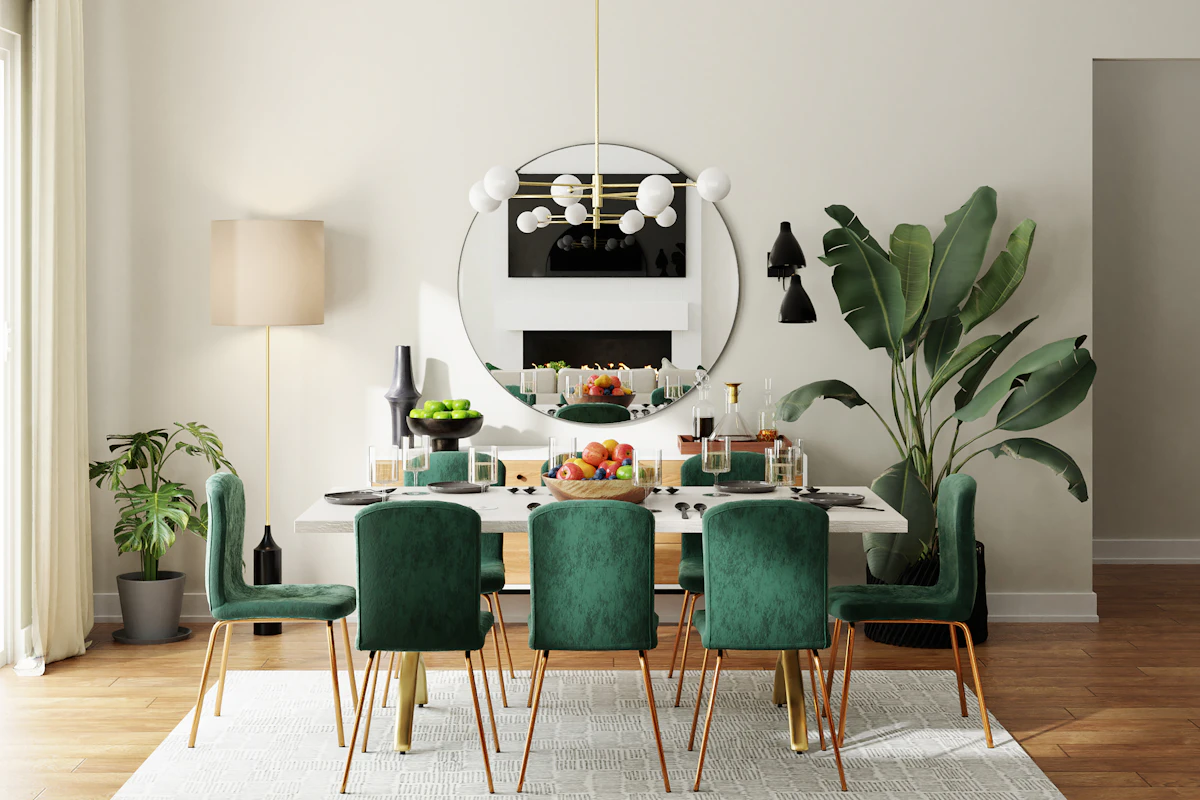
When selecting water-resistant flooring, think beyond just its protective qualities. Consider how it complements your home's overall design aesthetic. For a modern, minimalist look, large-format porcelain tiles in neutral tones or LVP with a subtle wood grain can be excellent choices. If you prefer a warmer, more traditional feel, LVP or engineered wood with realistic wood textures can replicate the beauty of natural timber without the maintenance worries. For Malaysian homes, also consider the tactile experience: a smooth, cool tile surface can be very pleasant during hot days, while LVP often offers a slightly softer underfoot feel. Don't forget maintenance; the easiest options are typically LVP and tile, requiring just sweeping and occasional damp mopping. This practicality is key for busy Malaysian households.
Frequently Asked Questions
1. What is the average cost of water-resistant flooring in Malaysia (RM/sqft)? add
2. How well do these flooring types handle Malaysia's high humidity? add
3. Are there water-resistant flooring options that are also termite-resistant? add
4. Which is better for kitchens and bathrooms in Malaysia: LVP or tiles? add
5. How do I maintain water-resistant flooring in a humid climate? add
Conclusion
undefined