SPC Flooring Trends 2026 Malaysia: The Rise of High-Spec Durability
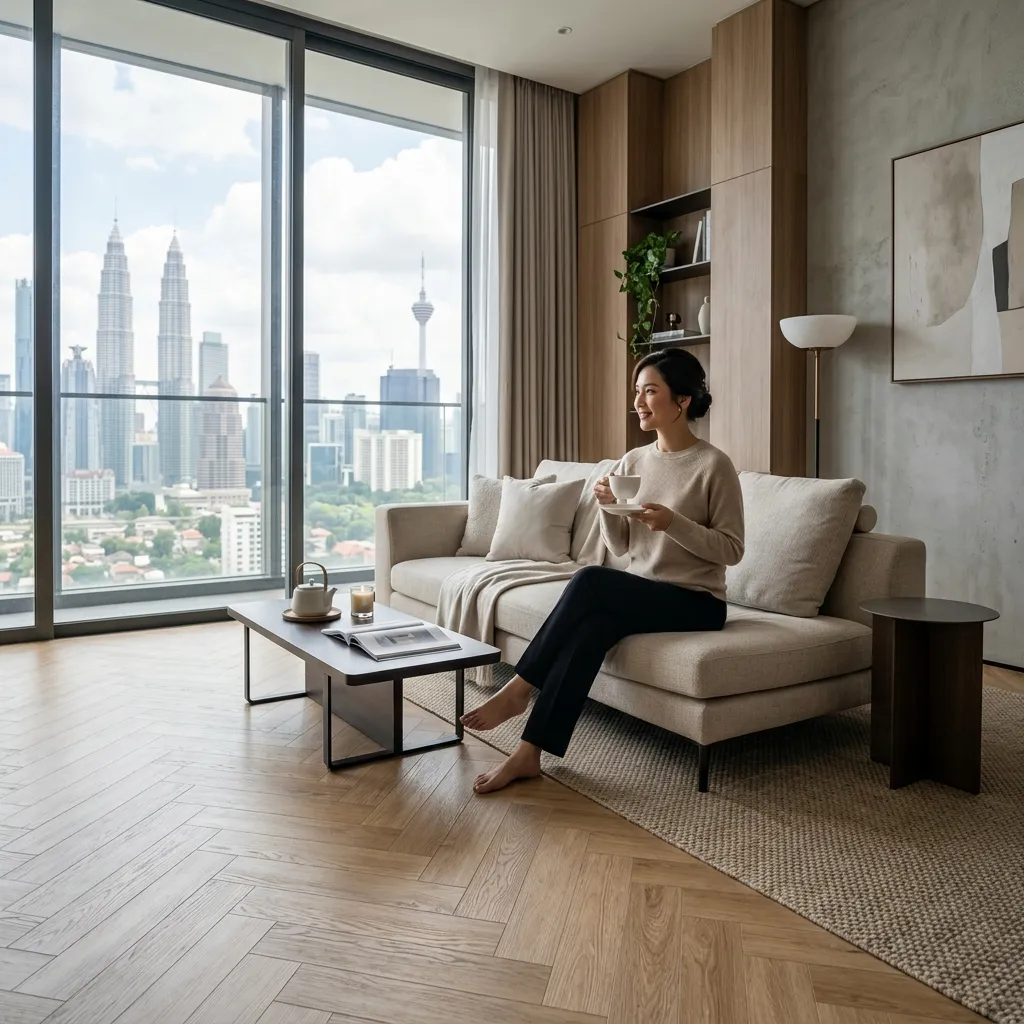
Walking into any flooring showroom in Puchong or Kota Damansara today, Stone Plastic Composite (SPC) flooring remains a dominant force. But after inspecting and installing SPC in over 300 homes across Kuala Lumpur and Selangor, I've observed a massive shift in homeowner expectations for 2026. The days of accepting cheap, thin SPC that warps under the Malaysian sun are over. Today, it's all about high-spec engineering, certified safety, and designer aesthetics.
The Evolution of SPC in 2026: Beyond Basic Waterproofing
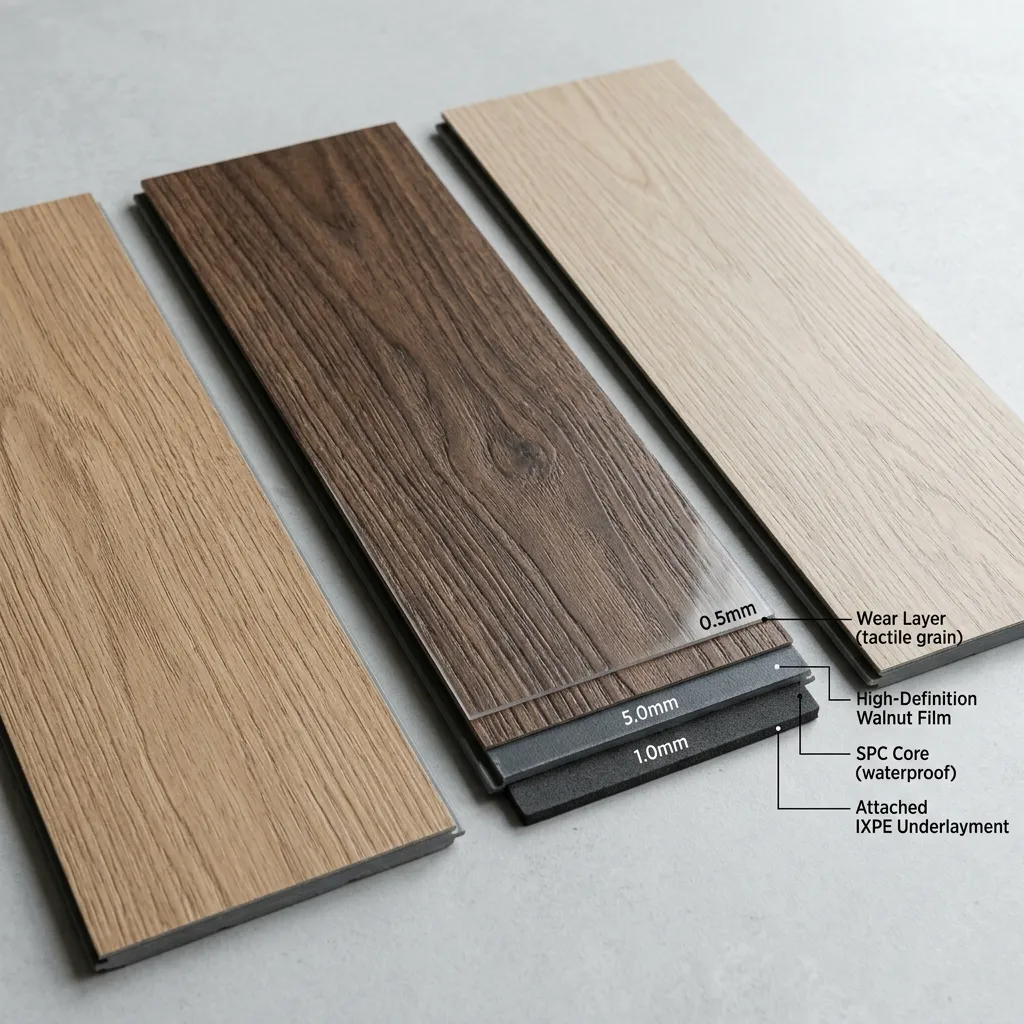
Initially, SPC was marketed purely as a 100% waterproof alternative to laminate, perfect for our tropical, high-humidity climate. While that remains true, the 2026 market demands more. Homeowners are now heavily scrutinizing the structural integrity of the planks. The rigid core—composed of limestone powder and PVC stabilizers—must be formulated to withstand direct sunlight near sliding balcony doors without expanding and buckling.
Premium Core Engineering: Why 6mm is the New Standard
We are seeing a definitive move away from 4mm thickness. In active Malaysian households with heavy furniture and constant foot traffic, thin click-lock joints are notoriously prone to snapping. The 2026 standard for a durable installation is a 5mm or 6mm core thickness. This added density provides superior stability, prevents the "floating" feeling underfoot, and ensures the click system remains perfectly intact for decades.
- Standard 5mm SPC: A reliable baseline for bedrooms and low-traffic areas, typically costing around RM8.50 - RM10.50/sqft installed.
- Premium 6mm SPC: The ideal choice for living rooms and commercial spaces, ensuring zero flex and maximum impact resistance. Expect to pay RM11.00 - RM14.00/sqft.
The Aesthetics: Herringbone & Organic Tones Taking Over KL Homes
From luxury condos in Mont Kiara to sprawling terrace houses in Shah Alam, the visual trends have matured significantly.
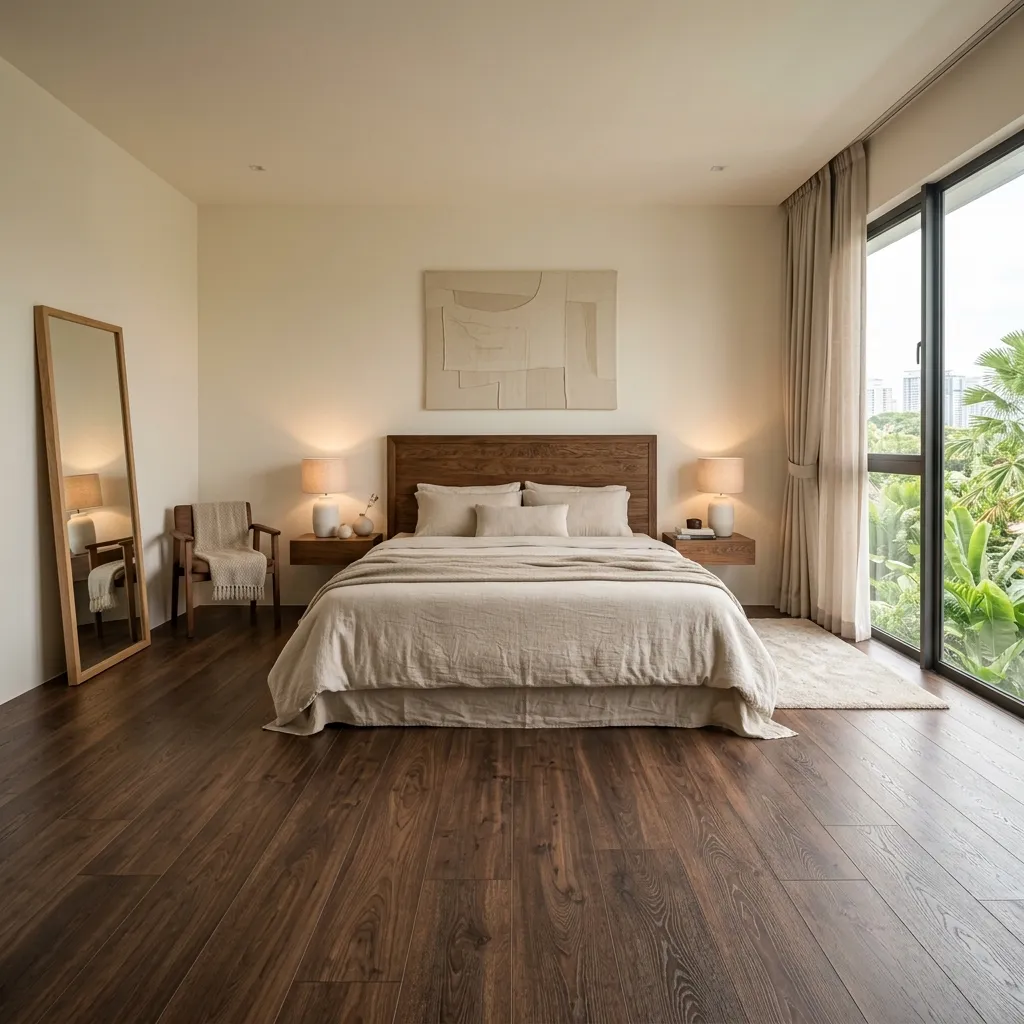
Classic layouts like Herringbone and Chevron are no longer reserved for solid hardwood. High-end SPC lines now offer these patterns, adding motion and a bespoke designer feel to living spaces. Simultaneously, the stark, cold grays of the past are being replaced by warm, earthy palettes—natural oaks, rich walnuts, and soft sands. These colors pair perfectly with the popular modern minimalist and Japandi interior styles dominating Malaysian renovations.
SGS Certification & Indoor Air Quality: The E0 Mandate
Perhaps the most critical trend of 2026 is the uncompromising demand for non-toxic materials. Low-cost, unbranded SPC (often priced suspiciously low) frequently relies on recycled plastics and unstable chemical fillers that can emit harmful formaldehyde when heated by the afternoon sun.
Today, educated buyers insist on certified E0 or Super E0 formaldehyde ratings. Before finalizing any purchase, always demand to see original SGS or TUV testing reports. Reputable local brands, such as Queensfloor, will readily provide this documentation, ensuring your indoor air quality remains pristine and safe for children and pets.
Installation Realities: Leveling Subfloors for Lasting Performance
Even the highest-grade 6mm SPC will fail if installed on a poorly prepared surface. A major focus for professional installers in 2026 is subfloor leveling. SPC requires a perfectly flat concrete screed or existing tile floor. If there are undulations, the rigid planks will bridge the gaps, eventually causing the click joints to break under pressure. We always mandate a thorough leveling inspection before a single plank is laid.
verified_user Transparency & Evaluation Criteria
Our reviews prioritize strict material safety and real-world durability. We evaluate flooring solutions based on: Formaldehyde Safety Certification (40%), Core Density & Joint Stability (30%), and Verified Local Warranties (30%). We only recommend products backed by legitimate third-party testing.