Choosing Slip-Resistant Flooring for Enhanced Home Safety: A Malaysian Homeowner's Essential Guide
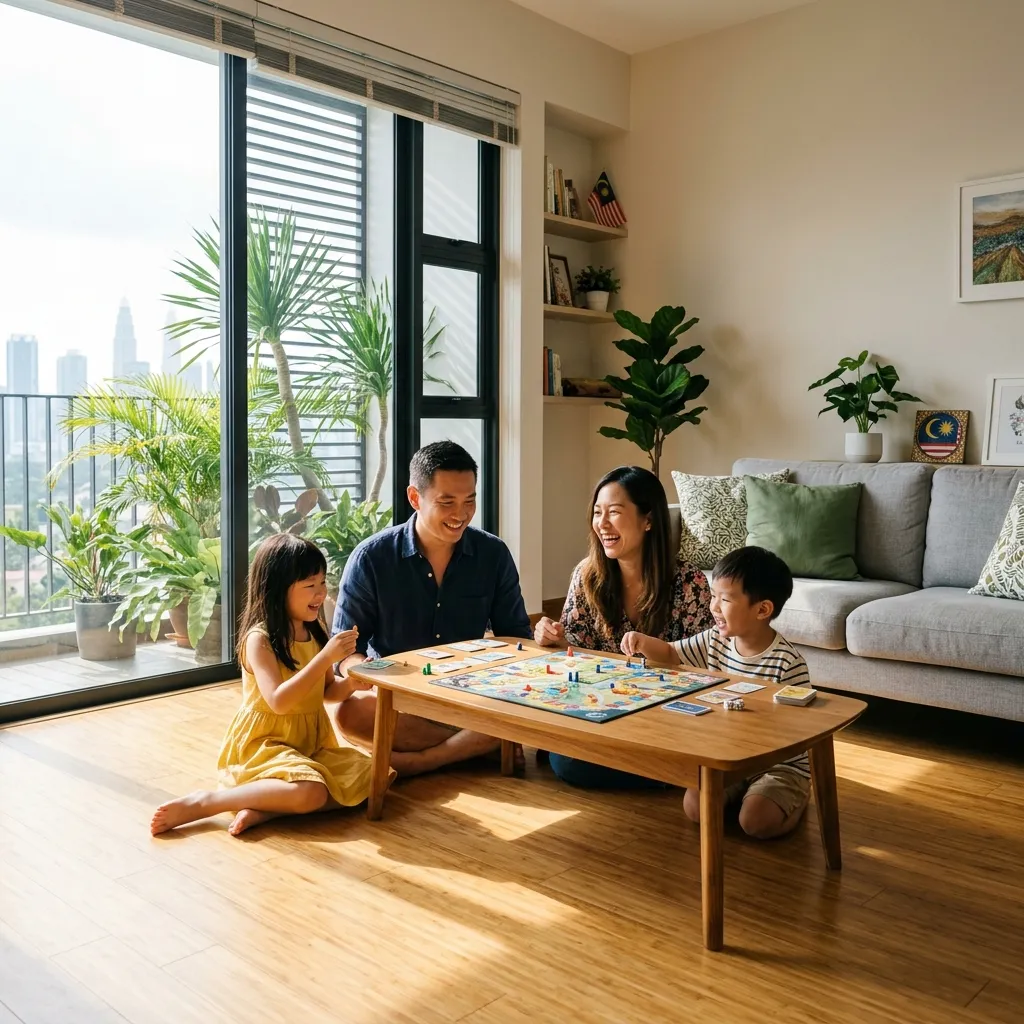
In the vibrant, often humid climate of Malaysia, ensuring home safety extends beyond robust locks and alarm systems; it begins right beneath our feet. Slips and falls are among the most common household accidents, amplified by our tropical weather, which can lead to spills, condensation, and general dampness. Choosing the right slip-resistant flooring isn't just about adhering to a trend; it's a proactive step towards creating a secure living environment for every family member, from playful toddlers to elderly loved ones. This guide will walk you through essential considerations, optimal materials, and design insights tailored for the Malaysian homeowner, ensuring your peace of mind.
Understanding the Need for Slip-Resistant Flooring in Malaysian Homes
Malaysia's tropical climate, characterised by high humidity and frequent rainfall, inherently increases the risk of slippery surfaces indoors. Barefoot culture, common in Malaysian households, also means direct contact with potentially slick floors. Wet spots from spills, shower splashes, or even condensation can turn a seemingly safe floor into a hazardous one. A slip-resistant floor is engineered to provide a higher coefficient of friction (COF), even when wet, significantly reducing the likelihood of accidents.
Key areas where slip-resistant flooring is paramount include:
- Bathrooms: Constantly exposed to water, soap, and shampoo residue.
- Kitchens: Prone to water spills, oil splatters, and food debris.
- Laundry Rooms: Where water and detergent are frequently handled.
- Entryways and Balconies: Especially susceptible to rain and moisture tracking indoors.
- Pool Decks & Outdoor Patios: Crucial for areas exposed to continuous wetness.
- Homes with Children or Elderly Residents: These demographics are at higher risk of injury from falls.
Investing in slip-resistant options for these high-risk zones is not just a renovation choice but a vital safety upgrade.
Optimal Slip-Resistant Flooring Materials for Tropical Climates
When selecting slip-resistant flooring in Malaysia, durability against heat, humidity, and common pests like termites are as important as the friction coefficient. Here are some of the best options:
- Textured Porcelain and Ceramic Tiles:
These are perhaps the most popular choice for wet areas due to their inherent water resistance and durability. Look for tiles with a 'matte' or 'textured' finish, or those with a high R-rating (e.g., R9 for general areas, R10-R12 for bathrooms and kitchens, R13 for outdoor/very wet areas). Modern porcelain tiles can also mimic wood or natural stone, offering aesthetic versatility. They are highly resistant to water, heat, and are naturally termite-proof.
- Luxury Vinyl Tiles (LVT) & Stone Plastic Composite (SPC) Flooring:
Advanced vinyl options are excellent for their water resistance and often feature textured surfaces that enhance grip. LVT and SPC are particularly suited for Malaysian homes as they are 100% waterproof, highly durable, resistant to termites, and relatively easy to clean. They also provide a softer, warmer feel underfoot compared to tiles, which can be an advantage.
- Rubber Flooring:
Known for its superior anti-slip properties, comfort, and shock absorption. Rubber flooring is ideal for utility rooms, home gyms, or play areas where maximum safety is a priority. It's highly resistant to water and extremely durable. While not common for entire homes, it's excellent for specific high-risk zones.
- Anti-Slip Treated Natural Stone or Concrete:
While natural stone (like granite or marble) can be very slippery when polished, certain finishes like 'honed', 'flamed', or 'sandblasted' can significantly increase their slip resistance. Concrete floors can also be treated with anti-slip coatings or acid-etched to create a textured, safer surface. These options offer a raw, industrial aesthetic but often require professional application and maintenance.
Always consult with a reputable flooring supplier or installer to understand the specific slip-resistance ratings and suitability of materials for your intended application.
Integrating Safety with Style: Design and Installation for Slip-Resistant Floors
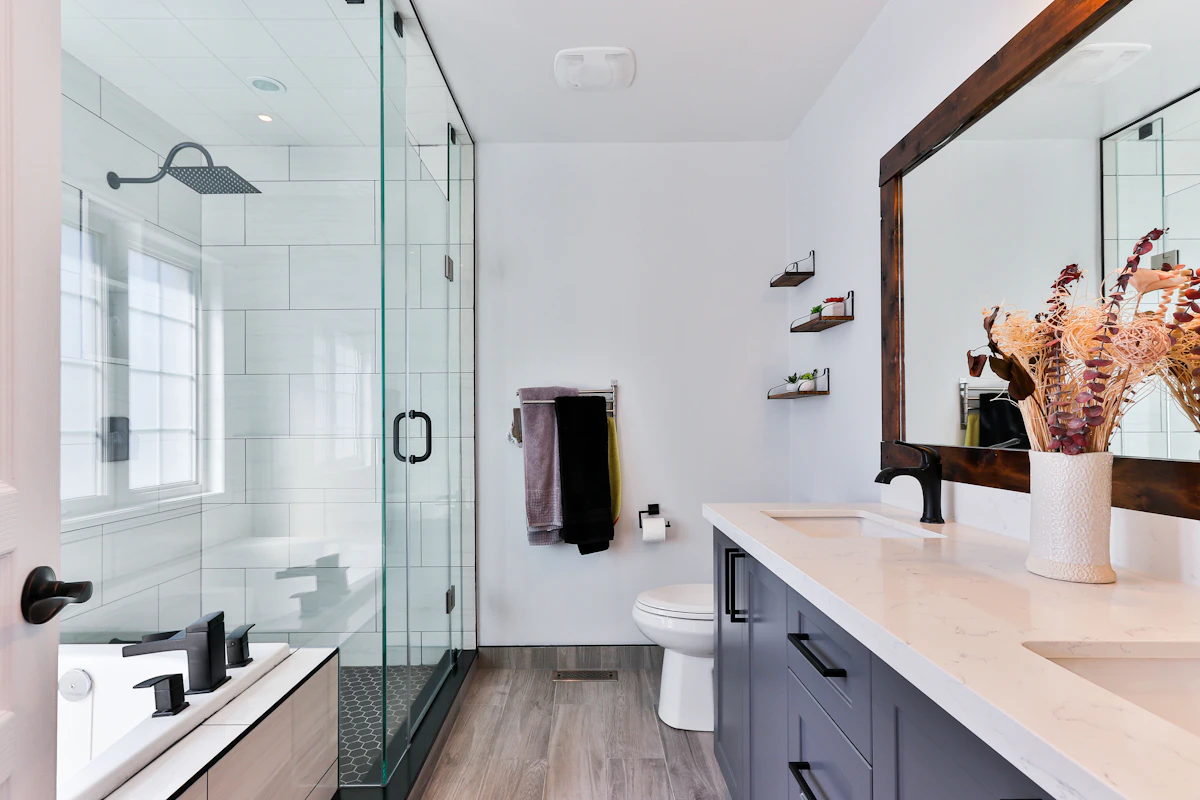
Choosing slip-resistant flooring doesn't mean compromising on aesthetics. Modern manufacturing techniques allow for safety and style to coexist harmoniously. Here's how to integrate them effectively:
- Texture as a Design Element: Textured tiles or wood-look LVT/SPC can add depth and character to a room. Embrace these textures as part of your interior design scheme, choosing patterns and colours that complement your home's overall style.
- Seamless Transitions: Ensure a smooth transition between different flooring types, especially when moving from a less slip-resistant area to a more secure one. Ramps or flush transitions prevent tripping hazards.
- Grout Line Considerations: For tiled areas, slightly wider or textured grout lines can contribute to overall slip resistance, providing additional traction. Choose grout colours that blend well with your tiles for a cohesive look.
- Lighting: Good lighting can enhance visibility of the floor, helping to spot any wet patches or uneven surfaces, further preventing falls.
- Professional Installation: The best slip-resistant material is only as good as its installation. Proper subfloor preparation, correct adhesive application, and accurate leveling are crucial for the longevity and performance of your flooring. In Malaysia's humid climate, professional installation also accounts for proper expansion gaps and moisture barriers, preventing issues like warping or buckling.
- Maintenance Matters: Regularly clean your slip-resistant floors as per manufacturer guidelines. Accumulated dirt, grease, or cleaning product residues can diminish the anti-slip properties over time. Use appropriate cleaners that won't leave a slick film.
By thoughtfully combining material selection with smart design and professional installation, you can create a home that is both beautiful and inherently safer.
Frequently Asked Questions
1. What is the typical cost of slip-resistant flooring in Malaysia? add
2. How does Malaysia's high humidity and heat affect the choice and performance of slip-resistant flooring? add
3. Are there termite-resistant slip-resistant flooring options suitable for Malaysian homes? add
4. What do 'R-ratings' and 'COF' mean for slip resistance, and how do I choose the right one? add
5. Can I make my existing floors more slip-resistant without fully replacing them? add
Conclusion
undefined