Revitalizing Old Floors: A Renovation Guide for Malaysian Homes: Unlock Your Home's Hidden Potential
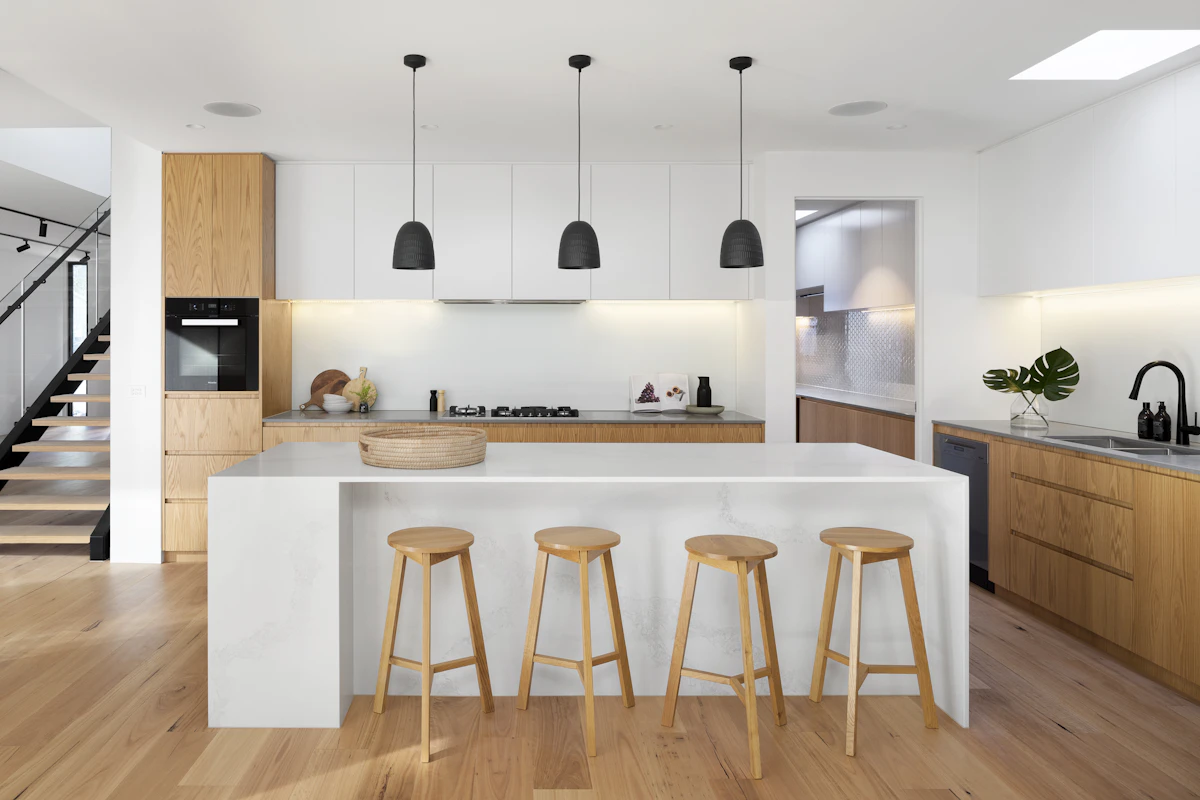
The floors beneath our feet bear witness to years of memories, but time, tropical humidity, and daily wear can leave them looking tired and dated. For Malaysian homeowners, revitalizing old floors isn't just about aesthetics; it's an opportunity to enhance durability, improve comfort, and increase your property's value. This comprehensive guide will walk you through the entire renovation process, from assessing your existing floors to selecting the ideal materials and executing a flawless transformation tailored to our unique climate.
Assessing Your Current Floors: The Foundation of Renovation
Before embarking on any renovation, a thorough assessment of your existing flooring is crucial. This step helps identify underlying issues and determines the most suitable approach for revitalization. Neglecting this can lead to costly problems down the line, especially in Malaysia's challenging climate.
- Identify Existing Damage: Look for visible cracks, chips, stains, scratches, or areas where the flooring is lifting or buckling. For hardwood, check for cupping, crowning, or gapping between planks, often indicative of moisture fluctuations.
- Moisture and Humidity Check: Malaysia's high humidity is a major factor. Inspect for signs of water damage, mould, or mildew, particularly near bathrooms, kitchens, and external walls. A professional moisture meter can provide accurate readings of subfloor moisture content.
- Pest Infestation: Termites are a significant concern for wooden floors in Malaysia. Look for mud tubes, hollow-sounding wood, or discarded wings. Early detection can save your entire structure.
- Subfloor Condition: The integrity of your subfloor is paramount. Sagging, unevenness, or squeaks indicate subfloor issues that must be addressed before new flooring is laid. This could involve repairing or reinforcing wooden joists, or levelling concrete slabs.
- Material Type and Age: Understanding the current flooring material (e.g., solid hardwood, parquet, ceramic tiles, concrete) and its age will inform whether refinishing is viable or if a full replacement is necessary. Older, thinner hardwood might not withstand another sanding.
Choosing the Right Materials: Durability Meets Malaysian Style
Selecting the ideal flooring material is a critical decision, balancing aesthetics, durability, maintenance, and suitability for Malaysia's tropical climate. Here's a breakdown of popular options:
- Engineered Wood Flooring: A superior choice over solid hardwood for Malaysia, engineered wood offers real wood aesthetics with enhanced stability. Its cross-ply construction reduces expansion and contraction caused by humidity. Prices typically range from RM 18 - RM 45 per sqft for materials, with installation adding RM 5 - RM 15 per sqft. Look for products with good warranties against warping and termite treatment.
- Stone Plastic Composite (SPC) Vinyl Flooring: Gaining immense popularity, SPC flooring is 100% waterproof, highly durable, and extremely stable under temperature fluctuations, making it perfect for Malaysian homes. It's also scratch-resistant and available in a vast array of designs mimicking wood or stone. Material costs are generally RM 8 - RM 25 per sqft, with installation around RM 3 - RM 8 per sqft.
- Porcelain and Ceramic Tiles: A timeless choice, especially for cooling properties. Porcelain is denser and less porous than ceramic, offering superior durability and water resistance, making it ideal for high-traffic areas, kitchens, and bathrooms. They are low maintenance and come in countless designs. Prices vary widely, from budget-friendly ceramic at RM 4 - RM 15 per sqft to premium porcelain at RM 15 - RM 60+ per sqft. Installation can be RM 8 - RM 20 per sqft.
- Polished Concrete: For a minimalist, industrial-chic look, polished concrete is highly durable, low maintenance, and excellent for heat dissipation. It's a great option if you have an existing concrete slab in good condition. Costs for polishing an existing slab can range from RM 10 - RM 30 per sqft, depending on the desired finish.
- Laminate Flooring: While affordable (RM 5 - RM 15 per sqft for material), traditional laminate is not waterproof and can swell with high humidity, making SPC a more suitable alternative for most Malaysian applications.
- Natural Stone (Marble, Granite): Offers luxurious aesthetics and coolness, but can be very expensive (RM 40 - RM 200+ per sqft for material) and requires regular sealing due to porosity. Not ideal for all budgets or high-traffic areas prone to spills.
Renovation Strategies & Design Considerations for Malaysian Homes
Once you've assessed your current floors and chosen your materials, it's time to strategize the renovation and integrate design elements that elevate your home.
- Refinishing vs. Replacement: If your existing solid hardwood or parquet is in relatively good condition, refinishing (sanding, staining, sealing) can be a cost-effective option, typically RM 7 - RM 15 per sqft. However, if planks are severely damaged, thin, or repeatedly infested by termites, replacement is the wiser long-term investment.
- Budgeting Wisely: Your budget should encompass more than just material costs. Factor in labour for demolition and installation, subfloor preparation (levelling, repairs, waterproofing), trim and skirting replacement, and disposal fees. Get detailed quotes from multiple contractors.
- Professional Installation: In Malaysia's climate, proper installation is paramount. Ensure your chosen contractor has experience with your selected material and understands the specific challenges of heat and humidity. Improper installation can lead to warping, gapping, or lifting.
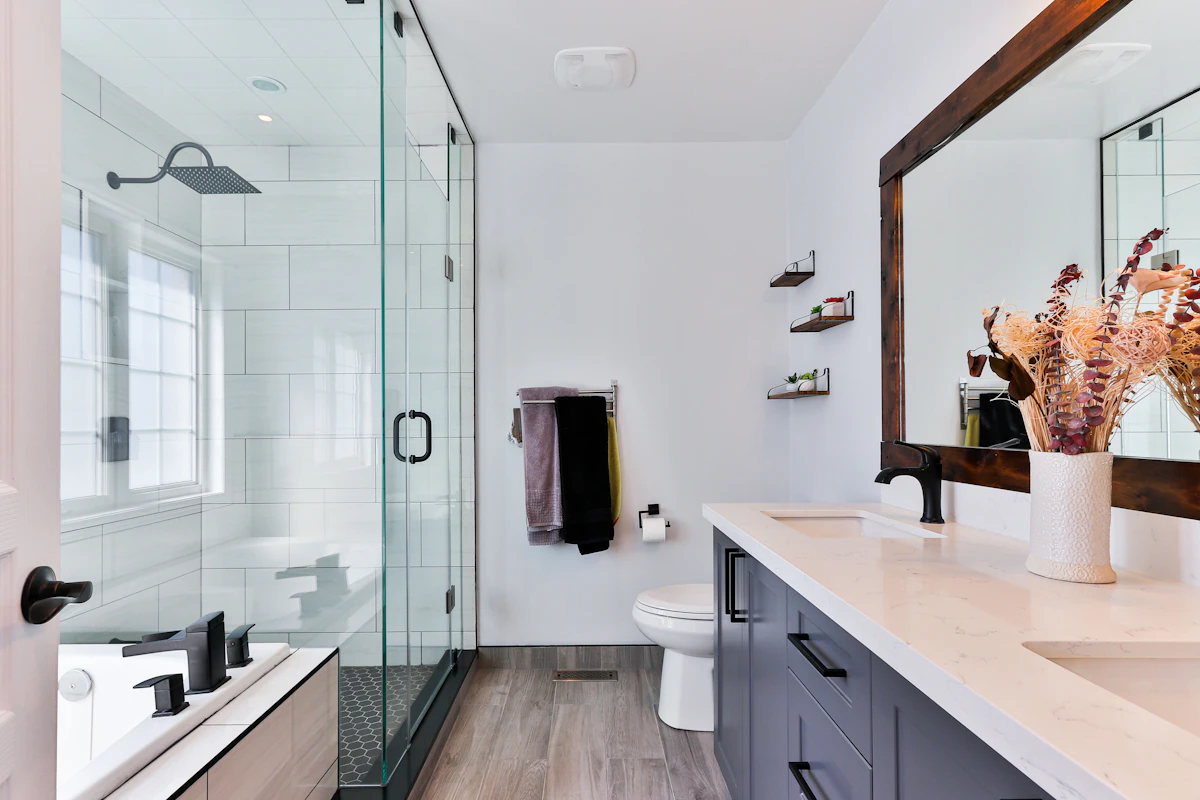
- Design Harmony & Flow: Consider how your new flooring will complement your home's existing décor, wall colours, and furniture. Lighter colours can make a space feel larger and brighter, ideal for smaller Malaysian homes. Consistent flooring throughout open-plan areas creates a seamless flow. For a modern minimalist look, large format tiles or polished concrete work well.
- Tropical Aesthetics: Embrace materials that resonate with a tropical aesthetic – natural wood tones (even in SPC), cool stone effects, or earthy tile textures. Consider anti-slip tiles for wet areas like bathrooms and outdoor patios, which are crucial for safety in humid environments.
- Long-Term Maintenance: Different materials require different care. Understand the maintenance regime for your new floor. SPC and tiles are generally low-maintenance, while engineered wood requires specific cleaning products and humidity control. Regular cleaning is essential to prevent dirt and grit from scratching surfaces.
Frequently Asked Questions
1. What is the average cost to renovate floors in a Malaysian home (RM/sqft)? add
2. Which flooring material is best suited for Malaysia's hot and humid climate? add
3. Are there termite-resistant flooring options for Malaysian homes? add
4. Should I refinish my old hardwood floors or replace them entirely in Malaysia? add
5. How long does a typical floor renovation project take for a Malaysian home? add
Conclusion
Revitalizing your old floors is a transformative journey that can breathe new life into your Malaysian home, enhancing its beauty, comfort, and value. By meticulously assessing existing conditions, choosing materials perfectly suited to our tropical climate, and engaging skilled professionals, you can achieve a stunning and durable renovation. Don't let worn-out floors dim your home's potential—embark on this journey to create a foundation you'll love for years to come.