Seamless Transitions: Choosing Flooring for Open-Plan Living in Malaysia: Mastering Style and Practicality in Tropical Homes

Open-plan living has become a cornerstone of modern Malaysian homes, celebrated for its ability to foster connection, enhance natural light, and create a sense of expansive space. However, achieving this fluid aesthetic demands thoughtful consideration, particularly when it comes to flooring. The right flooring not only unifies diverse zones—from bustling kitchens to serene living areas—but also withstands Malaysia's unique tropical climate. This guide delves into selecting flooring that promises both aesthetic harmony and enduring functionality, ensuring your open-plan home is a testament to sophisticated, practical design.
Embracing the Open-Plan Lifestyle: Challenges and Opportunities for Flooring
The allure of open-plan layouts in Malaysian residences is undeniable. They encourage family interaction, make entertaining a breeze, and visually expand even compact spaces. Yet, this design philosophy introduces distinct challenges for flooring selection, especially within our tropical environment:
- Unified Aesthetic: The primary goal is to create a cohesive look that flows effortlessly from one area to another without jarring transitions. This means considering how flooring in a high-traffic living area will interact visually and functionally with a kitchen's more demanding environment.
- Diverse Functional Needs: An open-plan space typically encompasses a variety of zones – a living area (requiring comfort and durability), a dining area (prone to spills), and often a kitchen (demanding water resistance and easy cleaning). The chosen flooring must cater to all these needs simultaneously.
- Malaysian Climate Considerations: High humidity, frequent rainfall, and the constant threat of pests like termites are crucial factors. Flooring must be resilient against moisture, resistant to warping or swelling, and preferably termite-proof.
- Maintenance and Durability: With larger, uninterrupted surfaces, ease of cleaning and long-term durability become paramount. The flooring should withstand daily wear and tear without compromising its aesthetic integrity.
Understanding these elements is the first step towards making an informed flooring decision that enhances your open-plan home's appeal and longevity.
Top Flooring Choices for Seamless Open-Plan Living in Malaysia
When selecting flooring for open-plan spaces in Malaysia, a delicate balance between aesthetics, durability, and climate resilience is key. Here are some of the most suitable options:
1. Luxury Vinyl Tiles (LVT) / Vinyl Planks
LVT has surged in popularity for open-plan homes due to its incredible versatility and practicality. It can convincingly mimic natural wood or stone, offering a high-end look without the associated drawbacks.
- Pros: Exceptionally water-resistant (ideal for kitchens and spills), highly durable, comfortable underfoot, easy to clean, and resistant to termites. Wide range of designs and colours for seamless integration.
- Cons: Quality varies; cheaper options might scratch or dent more easily. Subfloor preparation is crucial for a smooth finish.
- Malaysian Context: Its moisture resistance makes it perfect for humid conditions, and its affordability (typically RM15-RM45 per sqft, excluding installation) makes it a popular choice for budget-conscious homeowners seeking premium aesthetics.
2. Engineered Wood Flooring
For those who love the warmth and natural beauty of real wood, engineered wood offers a more stable alternative to solid hardwood, especially in Malaysia's climate.
- Pros: Authentic wood look, generally more stable than solid wood against humidity fluctuations, can be refinished (depending on wear layer thickness).
- Cons: While more stable, still susceptible to significant moisture damage, scratches, and termites if not properly treated or maintained. Higher cost than LVT.
- Malaysian Context: Best suited for living and dining areas, but caution is advised in very wet kitchen zones. Prices range from RM25-RM80 per sqft. Ensure good ventilation and humidity control.
3. Porcelain & Ceramic Tiles
A perennial favourite in Malaysian homes, tiles offer unparalleled durability and resistance, making them a fantastic choice for open-plan spaces, especially with modern large-format options.
- Pros: Extremely durable, waterproof, termite-proof, easy to clean, cool underfoot (a blessing in our climate), and available in an endless array of designs that mimic wood, stone, or concrete.
- Cons: Can be hard and cold (though tempered by rugs), grout lines require maintenance, and can be slippery when wet (opt for slip-resistant finishes).
- Malaysian Context: Highly practical for the entire open-plan area, including kitchens and dining. Costs vary widely from RM10-RM60 per sqft depending on size, quality, and origin.
4. Polished Concrete
For a minimalist, industrial-chic aesthetic, polished concrete offers a strikingly modern and incredibly durable solution.
- Pros: Extremely hard-wearing, low maintenance, cool underfoot, termite-proof, and contributes to a contemporary design narrative.
- Cons: Can feel cold and hard, prone to cracking if the subfloor is unstable, limited design versatility. Requires professional application for best results.
- Malaysian Context: Gaining traction in modern homes. Cost for polishing existing concrete is typically RM15-RM40 per sqft, while new concrete overlay can be RM50-RM100 per sqft.
Achieving Visual Harmony: Seamless Design Strategies for Open-Plan Flooring
The key to successful open-plan flooring lies not just in material selection, but in how those materials are deployed to create a harmonious flow. Here are design strategies to achieve that coveted seamless transition:
1. The Uniform Approach: One Material Throughout
The most straightforward way to achieve seamlessness is to use a single flooring material across the entire open-plan space. This creates an uninterrupted visual plane, making the area feel larger and more cohesive.
- How to Choose: Select a material that can withstand the demands of all zones – for instance, a high-quality LVT or a durable porcelain tile that can handle both kitchen spills and living room traffic.
- Benefits: Maximises visual continuity, simplifies cleaning, and eliminates the need for transition strips.
2. Complementary Transitions: Blending Materials Thoughtfully
Sometimes, using different materials for distinct zones is practical, especially if one area (like the kitchen) has very specific functional needs. The trick is to ensure these materials complement each other.
- Colour and Tone: Choose materials with similar undertones or a consistent colour palette. For example, a warm grey wood-look LVT in the living area could transition into a solid warm grey porcelain tile in the kitchen.
- Texture and Finish: Match the level of sheen or texture. A matte finish LVT would pair well with a matte finish tile, maintaining a consistent tactile experience.
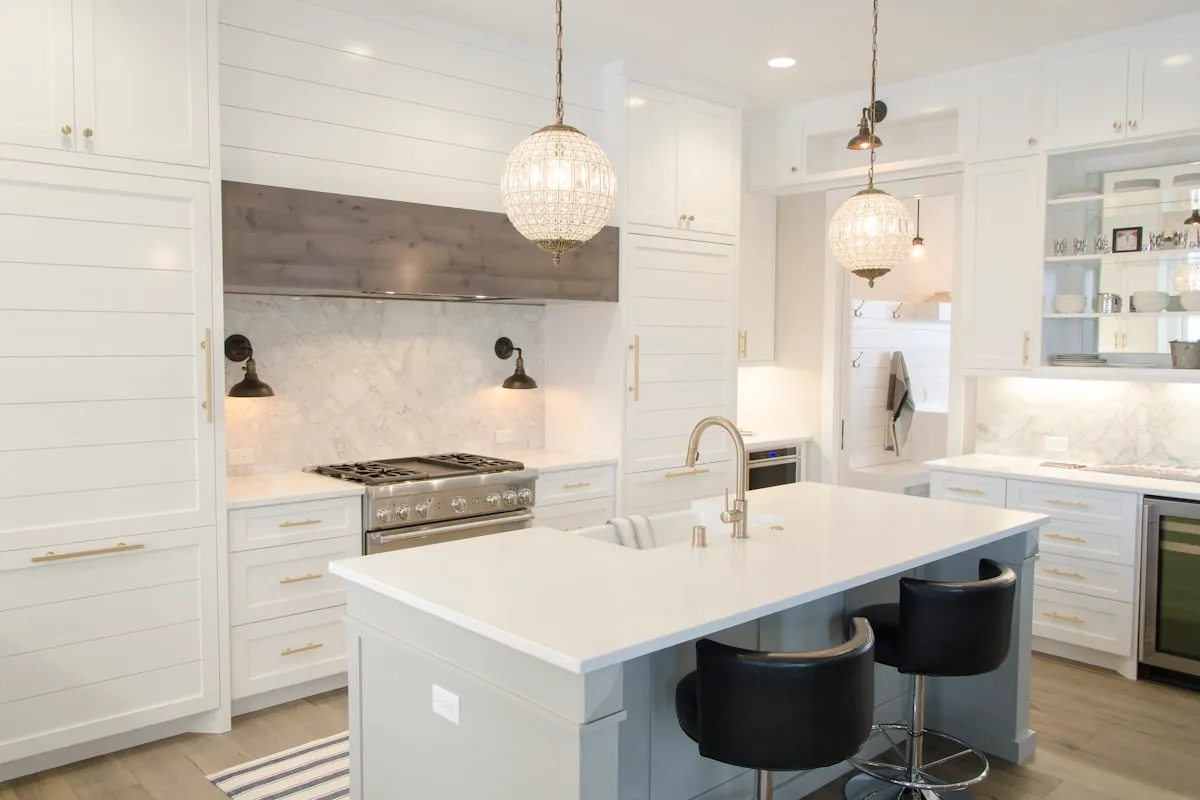
- Subtle Delineation: Use a flush, slim transition strip (T-moulding) in a matching or complementary colour to mark the change, or strategically place a kitchen island to act as a natural, soft divider.
3. Strategic Layouts and Pattern Play
The direction and pattern of your flooring installation can also contribute to a seamless feel.
- Consistent Direction: Laying planks or tiles in the same direction throughout an open-plan space guides the eye and enhances the sense of flow.
- Large Format Tiles: Opting for large format tiles minimises grout lines, creating a more expansive and less 'busy' look, perfect for open spaces.
- Rugs as Zone Markers: Area rugs can define specific zones (e.g., a living area rug) without physically breaking up the floor, adding warmth and texture.
By carefully considering these design principles, Malaysian homeowners can create open-plan spaces that are not only functional but also visually stunning and effortlessly cohesive.
Frequently Asked Questions
1. What is the best flooring option for open-plan living in Malaysia's humid climate, especially for a kitchen-dining-living combo? +
2. How can I ensure my flooring is termite-proof for my open-plan home in Malaysia? +
3. What is the average cost per square foot for suitable open-plan flooring options in Malaysia? +
4. I'm worried about spills in my open-plan kitchen area. What flooring can handle this while still looking good with the living space? +
5. Is it possible to use different flooring materials in an open-plan area without it looking messy or disjointed? +
Conclusion
Choosing the right flooring for your open-plan home in Malaysia is a critical decision that impacts both daily living and long-term satisfaction. By carefully considering the unique demands of an integrated space, the specifics of our tropical climate, and the aesthetic harmony you wish to achieve, you can select materials that are not only beautiful but also supremely practical. Invest wisely in flooring that unites your home, withstands the elements, and provides a seamless foundation for your modern Malaysian lifestyle.