Design Trends

Microcement Flooring Trends 2026 Malaysia: The Seamless Revolution
person
Interior Design Specialist

Bringing you the latest updates in architectural trends and innovative surface solutions for Malaysian homes.

Published: June 2026
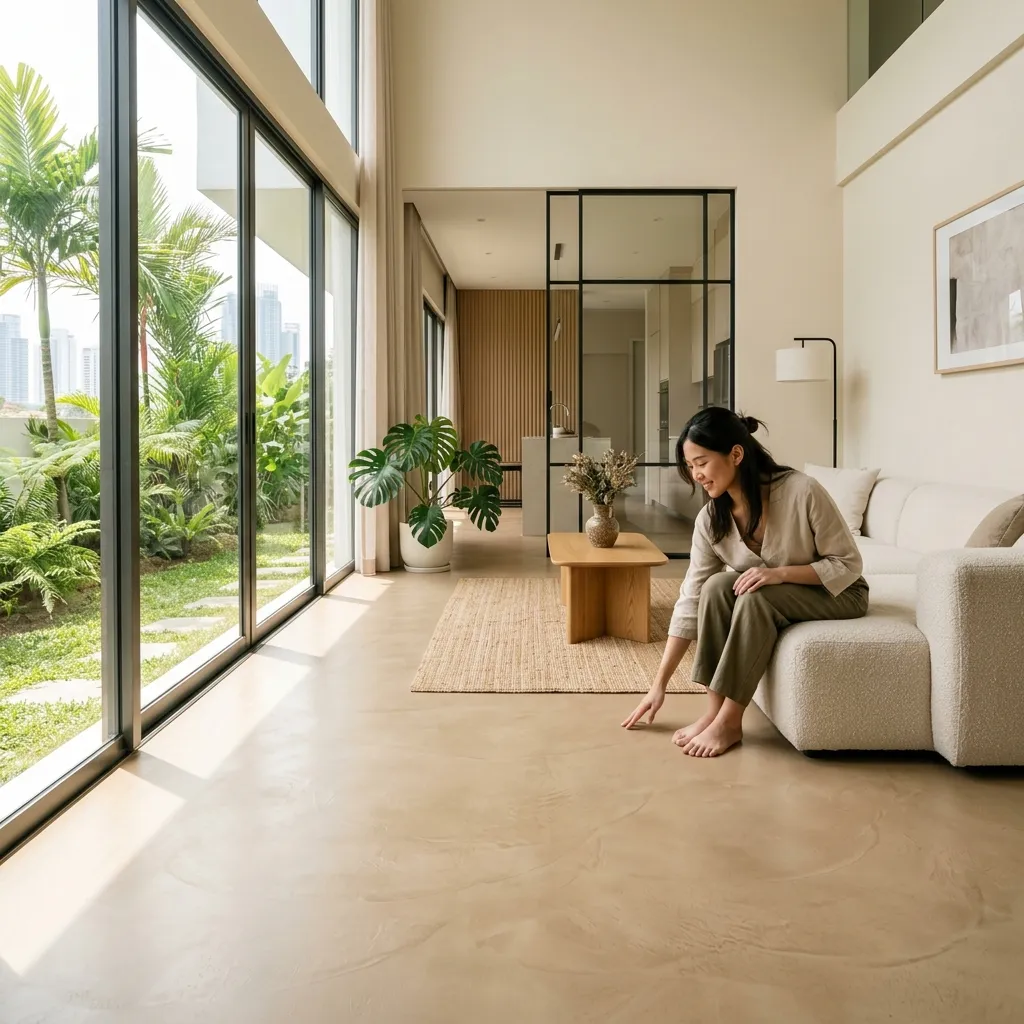
Asian woman admiring warm microcement living room

Microcement flooring has emerged as one of the hottest and fastest-rising interior design trends in Malaysia for 2026. Favored by interior designers, architects, and homeowners alike, it is increasingly replacing conventional materials like tiles and timber in residential and commercial spaces across major hubs like Kuala Lumpur, Petaling Jaya, and Penang.

Why Microcement is Trending in 2026

The surge in popularity is driven by a shift toward seamless, low-maintenance, and highly versatile interiors. Here are the key factors fueling the revolution:

  • Seamless Aesthetic: Microcement provides a continuous, grout-free surface that eliminates visual clutter, making rooms appear larger and calmer. This aligns perfectly with 2026 design preferences for "refined simplicity" and minimalist living.
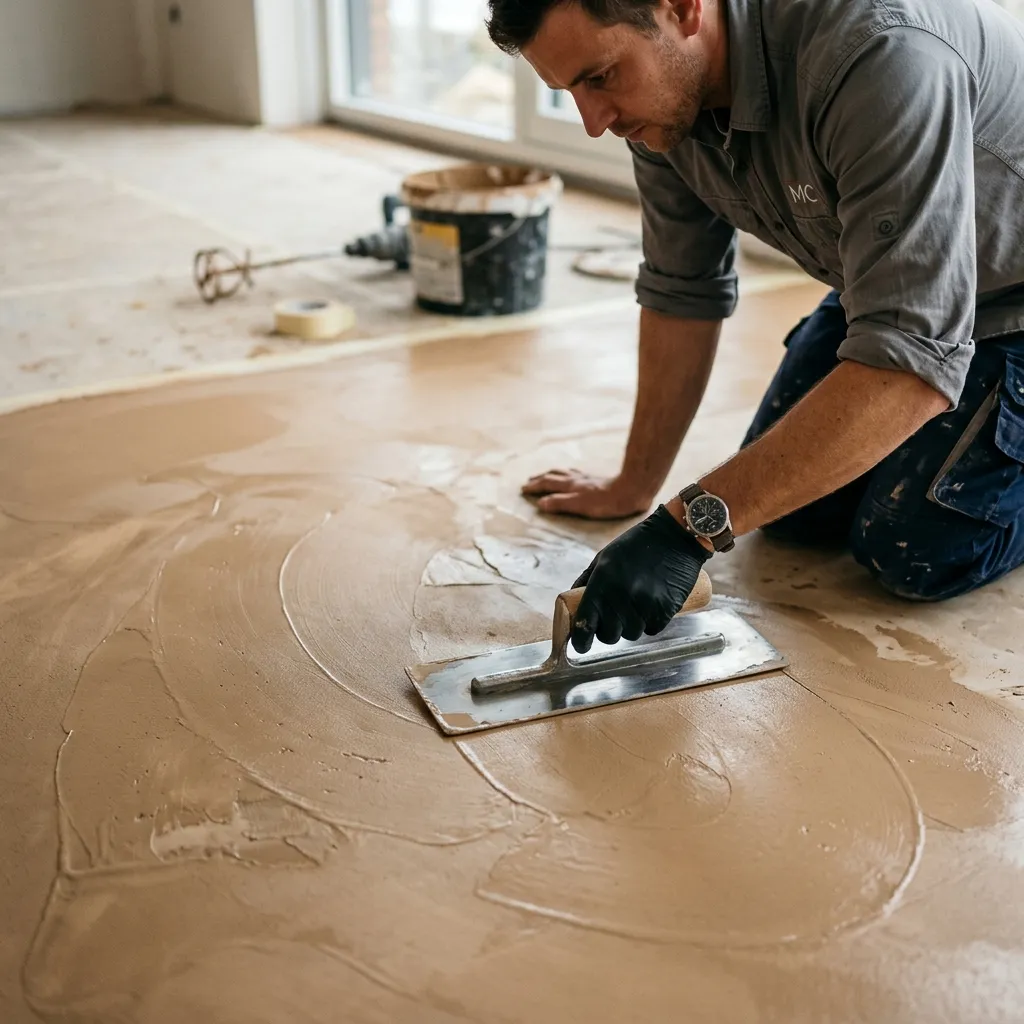
  • Renovation Efficiency: A major driver is its ability to be applied directly over existing surfaces (tiles, concrete, wood, plaster) in ultra-thin layers (2–3mm). This minimizes demolition, reduces waste, and lowers renovation costs and downtime.
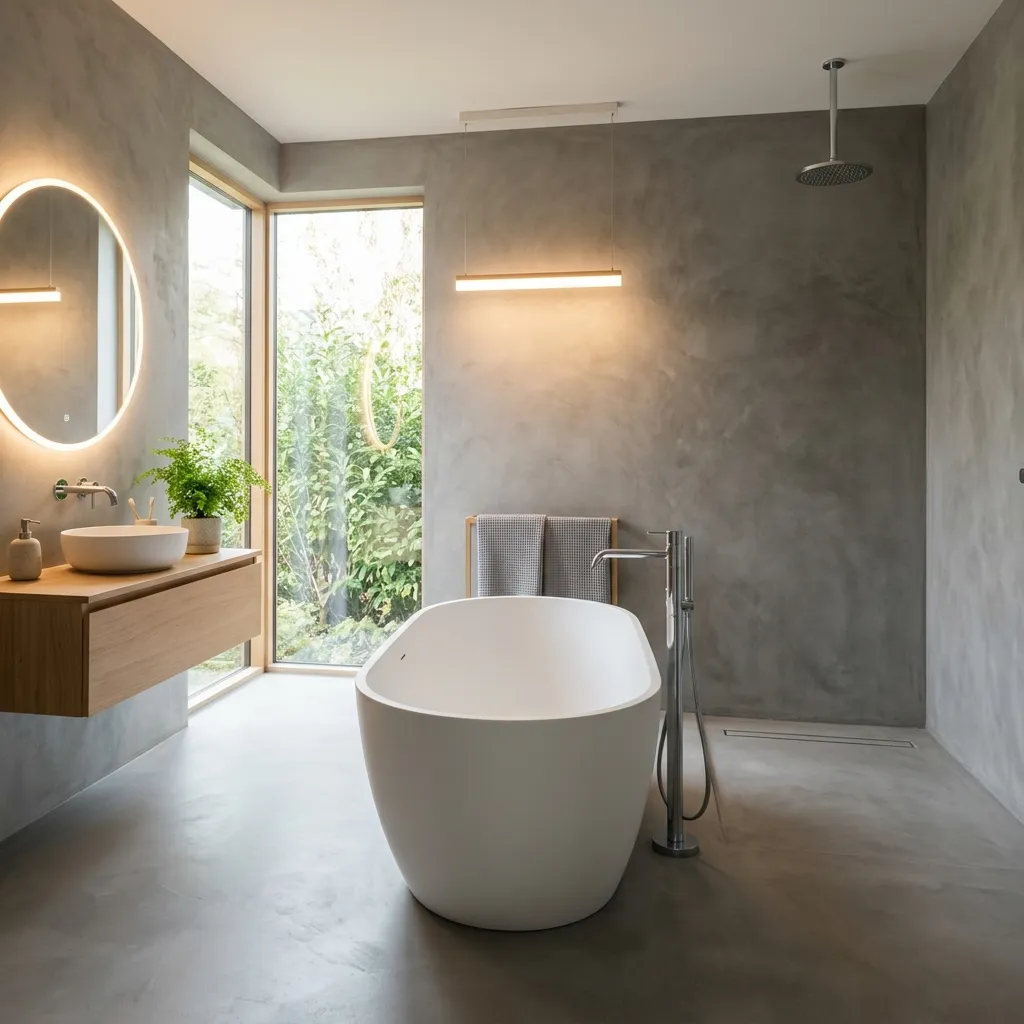
  • Climate Suitability: Being waterproof and stain-resistant (when properly sealed), it is increasingly used in wet areas like bathrooms, kitchens, and even outdoor spaces, standing up well to Malaysia’s humid tropical climate.
Seamless Microcement Bathroom

The Evolution: "Microcement 2.0"

While early adoption of microcement focused on a raw, industrial look, the trend has evolved into what industry experts are calling "Microcement 2.0". The focus has shifted from cold greys to highly customizable, warmer finishes.

Warm & Earthy Palettes

Designers are moving away from cool industrial greys toward warmer, grounded tones—such as sandy beiges, soft terracottas, taupes, and muted olives. These colors create cozy, sophisticated spaces that feel more inviting and less sterile.

Microcement Installation Process

Texture & Artistry

There is a growing appreciation for tactile sophistication. Beyond flat finishes, homeowners are opting for subtle trowel marks, layered washes, or textured effects that add depth and personality to a room. This handcrafted feel is a hallmark of premium residential design in 2026.

Essential Tips for Homeowners

If you're considering microcement for your next renovation project, keep these tips in mind:

  • Quality Matters: Because the skill of the applicator and the quality of the base material are crucial for a long-lasting finish, it is recommended to request physical samples and view previous project completions before hiring a contractor.
  • System Integrity: For wet areas like bathrooms, ensure that the contractor is using a complete, professional-grade waterproof system, including the necessary membranes and high-performance sealers.

Frequently Asked Questions

1. What exactly is microcement? add
Microcement is a decorative, polymer-modified cementitious coating that can be applied in ultra-thin layers (typically 2-3mm) over almost any solid surface. It provides a seamless, concrete-like finish without the weight, thickness, or expansion joints required by traditional polished concrete.
2. Is microcement truly waterproof? add
Yes, when applied and sealed correctly by professionals, microcement is completely waterproof. This makes it an excellent choice for wet areas such as bathrooms, shower enclosures, and kitchen floors.
3. Can microcement be applied over my existing tiles? add
Absolutely! One of the biggest advantages of microcement is that it adheres perfectly to existing tiles, wood, concrete, or plasterboard. This eliminates the need for messy, loud, and expensive demolition work during renovations.
4. How long does a microcement floor last? add
Microcement is highly durable and resistant to cracking when properly installed. With regular cleaning and periodic re-sealing (every few years depending on foot traffic), a high-quality microcement floor can last just as long as traditional hardwood or premium tiles.
5. Is microcement slippery when wet? add
Not necessarily. While a standard glossy finish can be slick when wet, microcement can be customized with anti-slip additives in the final sealant layer. This is highly recommended for bathrooms, pool decks, and outdoor areas to ensure maximum safety.

Conclusion

As we move through 2026, Microcement continues to prove itself as more than just a passing fad. Its combination of seamless aesthetics, practical renovation benefits, and adaptability to the Malaysian climate makes it a top contender for those looking to elevate their home interiors.