Harmonising Your Home: The Malaysian Guide to Matching Flooring with Interior Design Styles
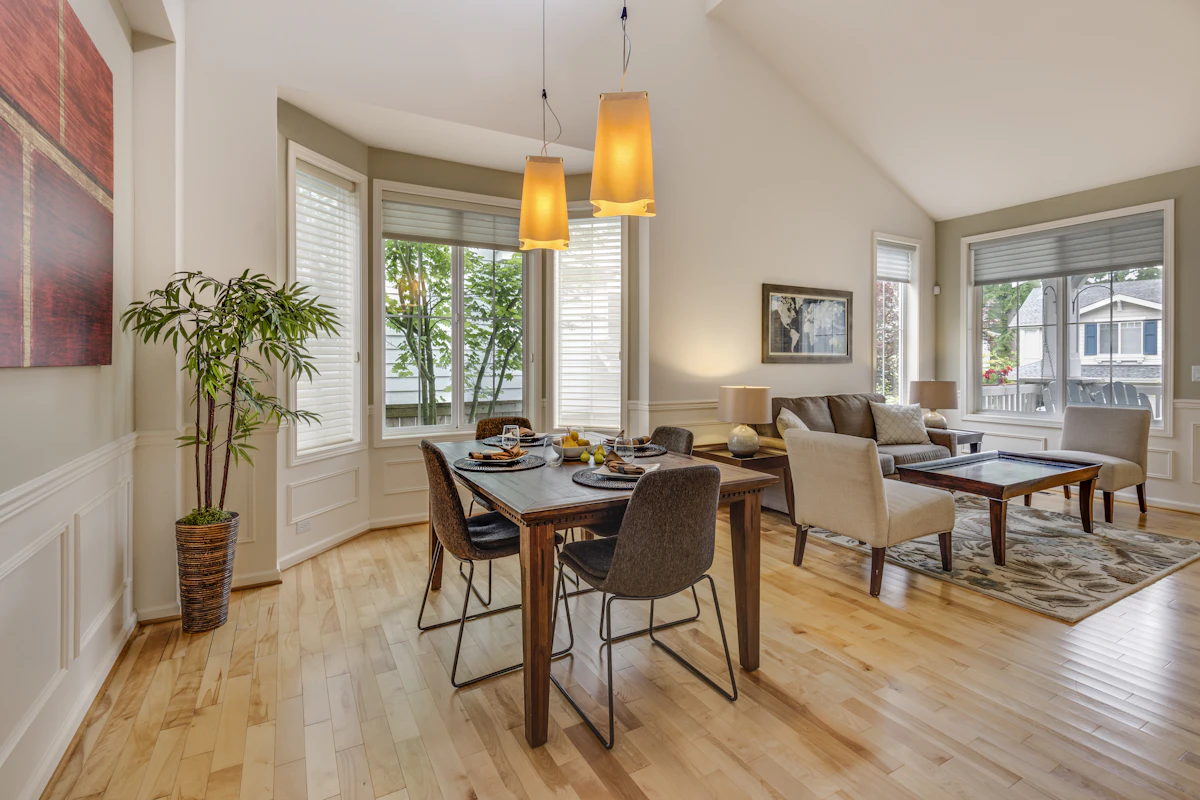
The floor beneath your feet is more than just a surface; it's the foundational canvas that defines the mood, flow, and overall aesthetic of your living space. In Malaysia's unique tropical climate, selecting the right flooring involves a delicate balance between visual appeal, durability, and practical considerations like heat, humidity, and pest resistance. This comprehensive guide will equip Malaysian homeowners with the knowledge to seamlessly match their flooring choices with popular interior design styles, ensuring both beauty and long-term performance in their tropical haven.
Understanding the Foundation: Key Considerations for Flooring in Malaysian Homes
Before diving into specific design styles, it's crucial to grasp the overarching factors that influence flooring decisions in Malaysia. Our climate presents unique challenges and opportunities:
- Durability & Maintenance: High foot traffic areas demand resilient materials. Consider how easily the flooring can be cleaned and maintained, especially with pets or young children.
- Moisture & Humidity Resistance: Malaysia's consistently high humidity can cause certain materials (like untreated wood) to warp, swell, or develop mould. Opt for options engineered to withstand moisture.
- Termite Resistance: A pervasive concern in Southeast Asia, termites can wreak havoc on untreated wood. Prioritise materials or treatments that offer robust protection.
- Thermal Comfort: Flooring materials have different thermal properties. Tiles, for example, tend to stay cooler, which is a significant advantage in our warm climate.
- Lighting & Space Perception: Lighter flooring can make a room feel more expansive and brighter, reflecting natural light. Darker floors add warmth and sophistication but can make smaller spaces feel more enclosed.
- Budget: Flooring costs vary widely. It’s important to establish a realistic budget early on, factoring in material costs (RM/sqft), installation, and potential subfloor preparation.
By keeping these factors in mind, you can make an informed decision that harmonises aesthetics with practical living.
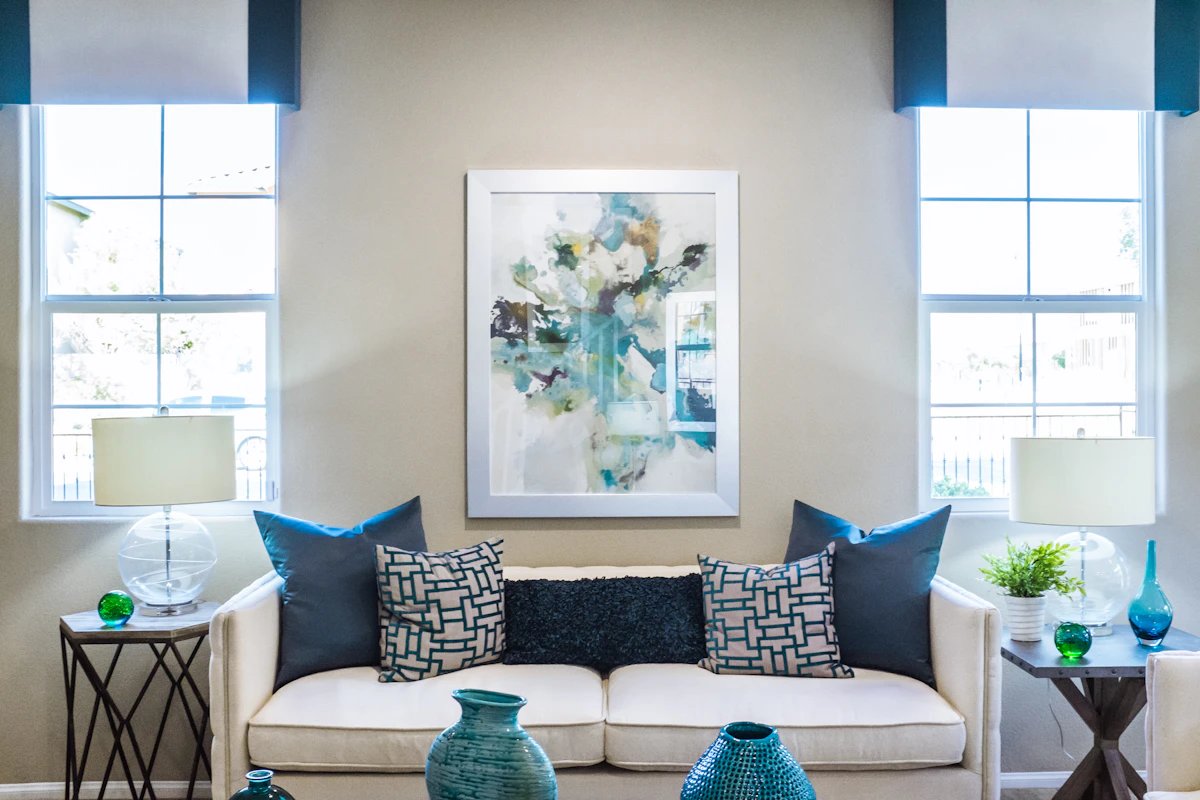
Styling Your Sanctuary: Matching Flooring to Popular Interior Design Aesthetics
The right flooring can amplify your chosen interior design style, creating a cohesive and visually stunning home. Here's how to pair popular design aesthetics with suitable flooring options:
1. Modern Minimalist
- Characteristics: Clean lines, uncluttered spaces, neutral palettes, functional elegance.
- Flooring Match:
- Large Format Porcelain or Ceramic Tiles: Opt for light greys, whites, or polished concrete-look tiles. Their seamless appearance and cool touch are ideal.
- Light-Coloured SPC (Stone Plastic Composite) or LVT (Luxury Vinyl Tile): Mimicking light wood or concrete, these offer durability and excellent moisture resistance.
- Polished Concrete: For an authentic industrial-minimalist edge, polished concrete provides a sleek, low-maintenance, and incredibly cool surface.
2. Tropical Contemporary / Resort Living
- Characteristics: Blurs indoor-outdoor boundaries, natural materials, lush greenery, relaxed elegance, often with a hint of local heritage.
- Flooring Match:
- Engineered Wood: Offers the warmth and beauty of real wood but with enhanced stability against humidity. Look for medium to dark tones.
- Wood-Look Porcelain Tiles: Combining the aesthetics of wood with the practicality of tiles, these are highly resistant to moisture and termites.
- Natural Stone (Marble, Travertine): For a luxurious resort feel, though requiring more maintenance. Best for specific zones or features due to cost and upkeep.
- Bamboo Flooring: An eco-friendly option that brings natural texture, but ensure it's properly treated for humidity and termites.
3. Industrial Chic
- Characteristics: Raw materials (exposed brick, metal), utilitarian design, open spaces, urban loft feel.
- Flooring Match:
- Polished Concrete or Cement Screed: The quintessential industrial floor, offering robustness and a raw, edgy aesthetic.
- Dark Grey or Black Large Format Tiles: Can mimic concrete or stone, providing a similar mood with easier maintenance.
- Distressed Wood-Look SPC/LVT: For a softer industrial look, these offer the appearance of aged timber without the practical drawbacks.
4. Scandinavian
- Characteristics: Bright, airy, functional, simple forms, natural materials, cosy atmosphere (hygge).
- Flooring Match:
- Light-Coloured Laminate or SPC: Wide plank designs in white-washed, grey, or very light blonde wood tones are perfect. They are cost-effective and durable.
- Engineered Wood (Light Tones): For an authentic, high-quality feel, light oak or birch engineered wood complements the aesthetic beautifully.
- Bare Wood Floors (If applicable and treated): For classic Scandinavian charm, but requires diligent maintenance against humidity and termites in Malaysia.
5. Classic & Colonial Revival (Malaysian Interpretation)
- Characteristics: Elegance, intricate details, antique furnishings, often incorporating local timber elements and traditional patterns.
- Flooring Match:
- Solid Wood Parquet or Planks: Rich, dark wood (e.g., Merbau, Balau – if sourced sustainably and properly treated) offers timeless elegance. Requires significant investment and maintenance against humidity and termites.
- Engineered Wood (Darker Tones): A more stable and practical alternative to solid wood, still delivering the classic aesthetic.
- Marble or Granite: For a grand, opulent feel, particularly in entranceways and formal living areas.
- Patterned Tiles: Especially ceramic or porcelain with Peranakan-inspired or geometric patterns, can add a unique Malaysian colonial charm.
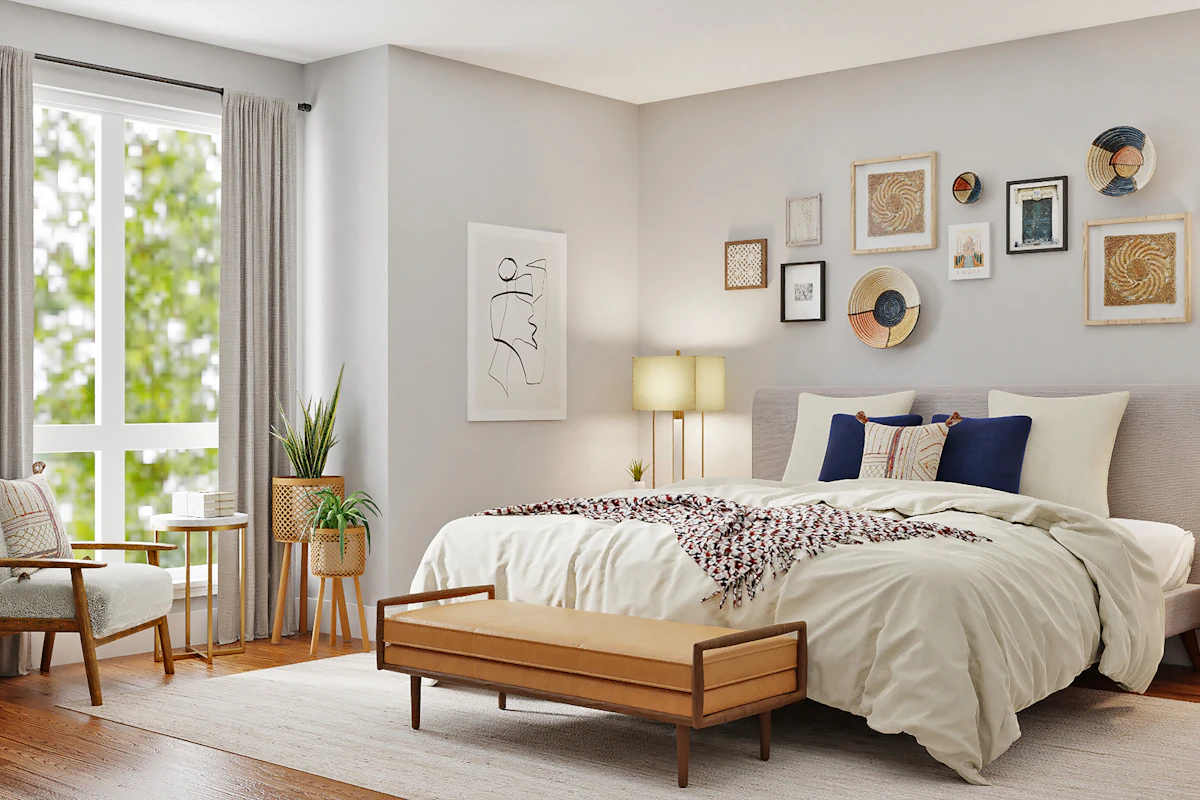
Practicalities & The Malaysian Edge: Making Your Final Flooring Decision
Beyond aesthetics, practical considerations for a Malaysian home are paramount. Here's a deeper dive into making your final choice:
- Subfloor Preparation: A crucial, often overlooked step. Ensure your subfloor is level, dry, and clean. Improper preparation can lead to issues like warping, cracking, or squeaking regardless of the flooring material.
- Acoustics: Harder surfaces like tiles can amplify sound. Consider rugs or underlays to dampen noise, especially in multi-storey homes or apartments.
- Environmental Impact: Look for sustainably sourced wood, low-VOC (Volatile Organic Compound) adhesives, or materials made from recycled content to contribute to a healthier indoor environment.
- Professional Installation: Especially for engineered wood, complex tile patterns, or polished concrete, professional installation is vital to ensure longevity and a flawless finish. Always engage experienced local installers who understand the nuances of working in the Malaysian climate.
- Local Sourcing: Supporting local manufacturers or distributors can sometimes provide better prices, faster delivery, and materials specifically designed for the Malaysian market.
Ultimately, the best flooring for your Malaysian home is one that beautifully integrates with your chosen interior design style while providing enduring comfort, durability, and peace of mind against our tropical elements.
Frequently Asked Questions
1. What's the best flooring option for resisting Malaysia's high heat and humidity? add
2. Which flooring materials are most effective against termites in Malaysia? add
3. What's the average cost per square foot (RM/sqft) for popular flooring types in Malaysia? add
- Ceramic/Porcelain Tiles: RM 5 - RM 35+/sqft (basic to premium large format)
- Laminate Flooring: RM 6 - RM 18/sqft
- SPC/LVT Flooring: RM 10 - RM 30/sqft
- Engineered Wood Flooring: RM 18 - RM 50+/sqft
- Solid Wood Flooring (e.g., Merbau, Balau): RM 30 - RM 80+/sqft
- Polished Concrete/Cement Screed: RM 8 - RM 25/sqft (depending on finish and thickness)
4. Can I use solid wood flooring in Malaysia's tropical climate without major issues? add
5. How do I choose flooring for an open-plan living space in a Malaysian home? add
- Same Material, Different Lay Pattern: Use the same SPC or tile but change the laying pattern (e.g., straight lay in living, herringbone in dining).
- Complementary Materials: Use highly resistant tiles in the kitchen/dining and engineered wood or SPC in the living area, ensuring the colours and textures complement each other. Use a subtle transition strip.
- Rugs: Large area rugs are excellent for defining zones within a consistent flooring scheme, adding warmth and acoustics.
Conclusion
The journey to creating your dream Malaysian home begins from the ground up. By thoughtfully aligning your flooring choices with your desired interior design style, while also factoring in the practicalities of our tropical climate, you can achieve a harmonious, durable, and truly beautiful living space. Invest wisely, choose sustainably, and let your floors be the silent statement of your home's enduring elegance.