Essential Waterproofing for Malaysian Bathrooms & Kitchens: A Shield Against Tropical Damage
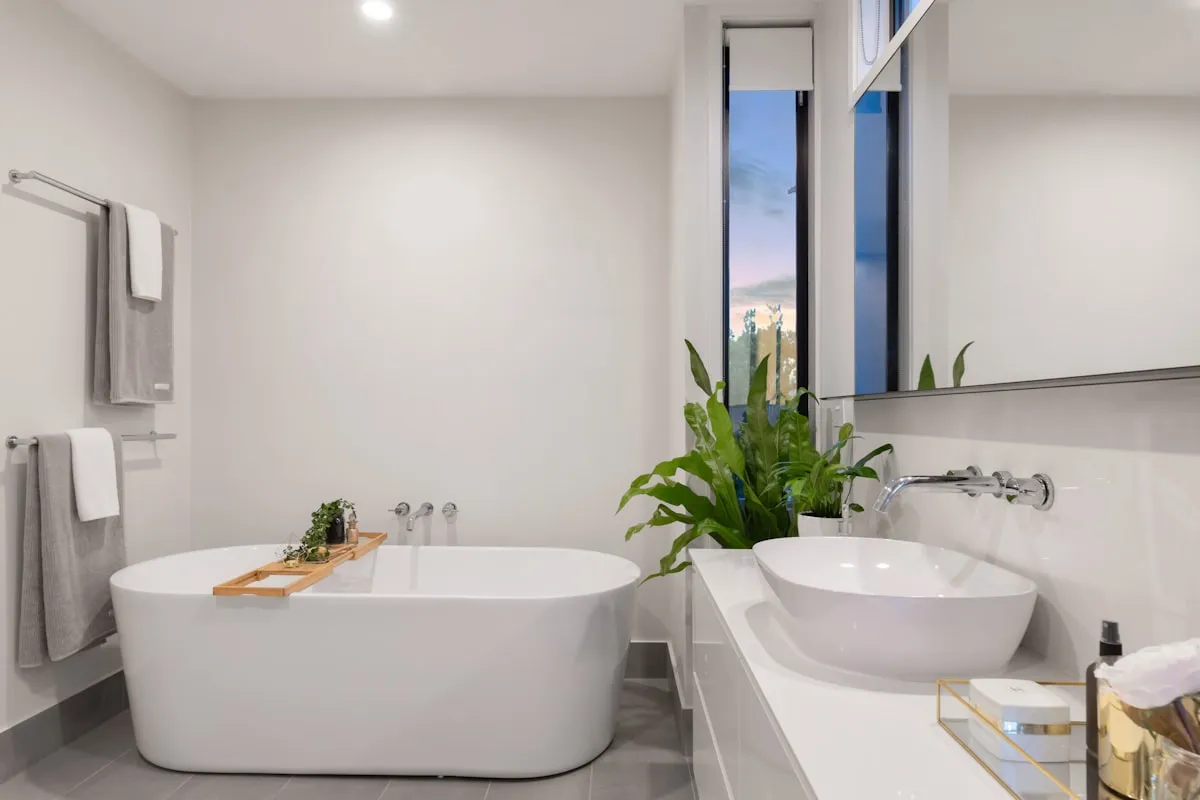
In Malaysia's relentless tropical climate, where high humidity and frequent downpours are the norm, effective waterproofing in wet areas like bathrooms and kitchens isn't just a suggestion—it's a critical necessity. Neglecting this vital step can lead to a cascade of problems, from unsightly mould and mildew to structural damage, compromised hygiene, and escalating repair costs. For Malaysian homeowners, understanding and implementing robust waterproofing solutions is paramount to safeguarding their investment and ensuring a healthy living environment. This guide delves into why waterproofing is non-negotiable and how to achieve lasting protection.
Why Waterproofing is Critical in Malaysia's Tropical Climate
Malaysia's unique environmental conditions present specific challenges that make superior waterproofing indispensable:
- High Humidity & Condensation: The constant humidity levels accelerate moisture penetration and create breeding grounds for mould and mildew, which can pose health risks and degrade indoor air quality.
- Frequent Water Usage: Bathrooms and kitchens are zones of intense water activity. Daily showers, washing, and accidental spills continuously test the integrity of floor and wall junctions.
- Structural Integrity: Unchecked water ingress can weaken concrete slabs, corrode rebar, and damage surrounding timber structures, leading to costly and extensive repairs down the line. In strata properties (condos/apartments), leaks can also affect neighbouring units, leading to disputes and liabilities.
- Termite Prevention: While waterproofing doesn't directly repel termites, a dry environment significantly reduces their attraction to structural elements. Termites thrive in damp conditions, making robust waterproofing an indirect but effective deterrent.
- Property Value: A well-maintained, waterproofed home retains its value better. Signs of water damage are significant red flags for potential buyers and can severely impact resale prices.

Choosing the Right Waterproofing System for Malaysian Homes
Selecting the appropriate waterproofing system is crucial for long-term effectiveness. Here are the most common and recommended options for Malaysian bathrooms and kitchens:
- Cementitious Waterproofing:
This is one of the most widely used and cost-effective methods, especially in Malaysia. It involves applying a polymer-modified cement-based slurry to surfaces. It’s highly durable, bonds well to concrete, and can be applied over existing screeds. Key advantages include good adhesion, breathability (allowing trapped moisture to escape without compromising integrity), and resistance to positive water pressure. However, its rigidity means it may not bridge significant cracks effectively unless a flexible variant is chosen.
- Liquid-Applied Membranes (Polyurethane & Acrylic-Based):
These systems involve applying a liquid coating that cures into a seamless, flexible, and elastic membrane. Polyurethane (PU) membranes offer superior flexibility, excellent crack-bridging capabilities, and robust chemical resistance, making them ideal for areas prone to movement or extreme conditions. Acrylic-based membranes are also flexible and easy to apply but are generally better suited for areas with less structural movement. Both offer excellent adhesion and a seamless finish, eliminating weak points often found in sheet-based systems. They are particularly effective in tight corners and around pipe penetrations.
- Sheet Membranes (e.g., Bituminous):
While more common for roofing or larger, flat areas, some modified bituminous or PVC sheet membranes can be used for floors. They offer uniform thickness and are highly effective but require meticulous installation to ensure all overlaps and joints are perfectly sealed, which can be challenging in complex bathroom layouts.
For Malaysian applications, a combination of cementitious for general areas and flexible liquid membranes for critical junctions (like wall-floor joints, pipe entries) often provides the most robust and cost-effective solution.
The Professional Waterproofing Process: Best Practices for Longevity
Even the best materials are ineffective without proper application. A professional waterproofing job in Malaysia typically follows these critical steps:
- Thorough Surface Preparation: The substrate must be clean, dry, sound, and free from dust, oil, and loose particles. Any cracks or defects need to be repaired before application. A smooth, level surface ensures optimal adhesion and uniform membrane thickness.
- Primer Application: A suitable primer is applied to enhance adhesion between the substrate and the waterproofing membrane. This step is often overlooked in DIY projects but is vital for long-term performance.
- Critical Area Detailing: All wall-to-floor junctions, pipe penetrations, and floor waste outlets are considered critical. Reinforcing fabric or coving is applied with the waterproofing membrane to create a seamless, flexible seal that accommodates minor movements and prevents leaks at these vulnerable points.
- Membrane Application: The chosen waterproofing membrane is applied in multiple coats (typically 2-3), ensuring each layer is adequately cured before the next. This builds up the required thickness and provides complete coverage.
- Curing Time: Allow adequate curing time as per the manufacturer's specifications. Rushing this stage can severely compromise the membrane's integrity.
- Flood Testing (Optional but Recommended): Once cured, especially in bathrooms, a flood test (filling the area with water and leaving it for 24-48 hours) can be conducted to verify the system's integrity before tiling or screeding.
- Quality Control & Documentation: Ensure the work is performed by certified applicators and documented with photos at various stages for future reference, especially for warranty purposes.
Frequently Asked Questions
1. How much does professional bathroom/kitchen waterproofing cost in Malaysia? +
2. How long does waterproofing typically last in Malaysian homes? +
3. Does effective waterproofing help prevent termite infestations in wet areas? +
4. Can I DIY my bathroom or kitchen waterproofing, or should I hire a professional? +
5. What are the common signs that my existing waterproofing might be failing? +
Conclusion
Investing in high-quality, professional waterproofing for your Malaysian bathroom and kitchen is not an expenditure, but a vital investment in your home's longevity, structural integrity, and the health of its occupants. By understanding the unique challenges of our tropical climate and opting for proven materials and expert application, you can ensure your wet areas remain dry, safe, and beautiful for decades to come, protecting your peace of mind and your property value from the ground up.