Epoxy / Polished Concrete Trends 2026 Malaysia: The Future of Urban Flooring
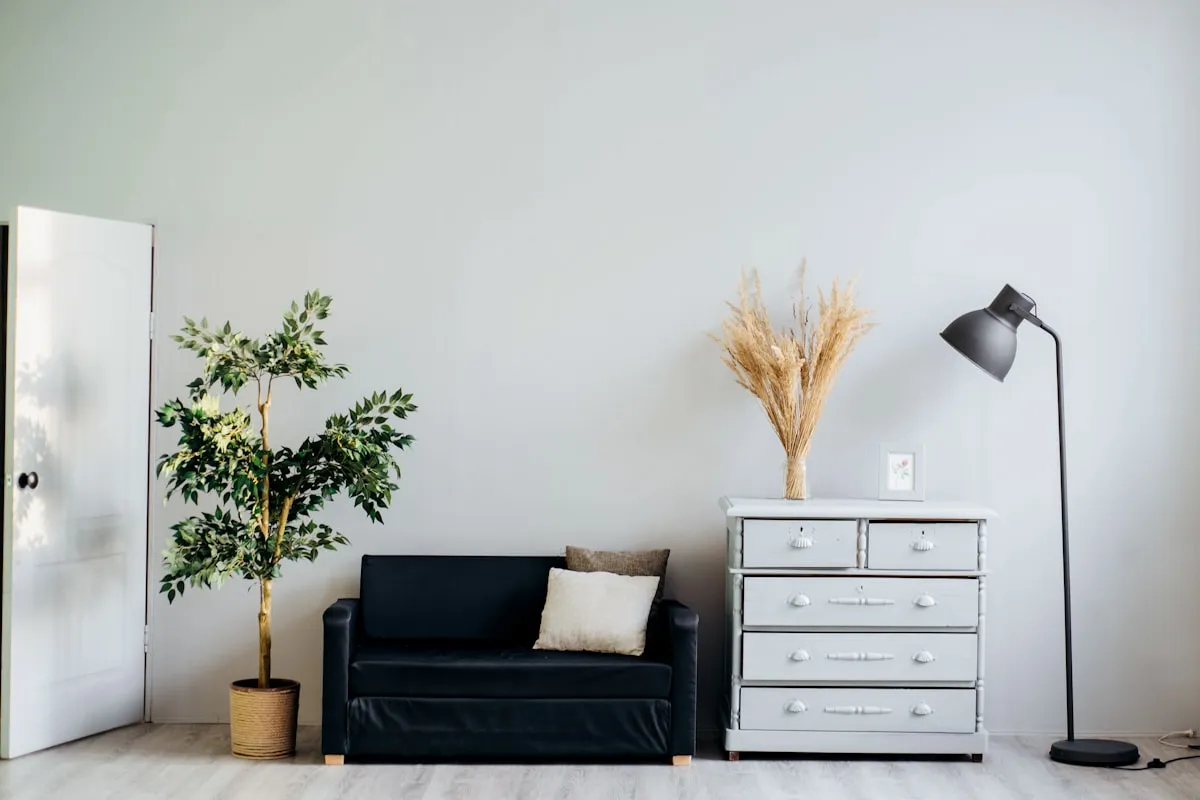
Once strictly confined to industrial warehouses and hipster cafes, seamless concrete finishes have fully infiltrated the Malaysian residential market. As of 2026, homeowners in Kuala Lumpur and Penang are abandoning grout lines entirely in favour of monolithic poured floors. The modern epoxy and polished concrete movement is no longer about raw industrialism—it's about "warm brutalism" and highly refined, hygienic surfaces that thrive in tropical humidity.
Micro-Cement & Polyaspartic Coatings
The standard "garage floor epoxy" is dead for residential living areas. The 2026 standard is built on advanced micro-cement overlays and polyaspartic topcoats.
- Micro-Cement Elegance: This ultra-thin concrete overlay (usually 2-3mm thick) is applied by hand, creating subtle, organic trowel marks that give the floor a suede-like texture. It's incredibly popular for minimalist wabi-sabi interiors and can even be applied directly over existing tiles, saving massive hacking costs.
- Polyaspartic Outperforms Epoxy: Traditional epoxy yellows under Malaysia's strong UV light. Polyaspartic coatings, though slightly more expensive, cure faster, are 4x more durable, and are 100% UV stable. They are the new gold standard for residential car porches and sun-drenched living rooms.
Residential Polished Concrete: The "Salt and Pepper" Look
When polishing structural concrete slabs, the trend has shifted away from deep grinds that expose large stones.
- Surface Polishing: Homeowners now prefer a "cream polish" or a light "salt and pepper" grind. This only skims the very top surface of the concrete slab, revealing tiny grains of sand rather than large aggregates, resulting in a cleaner, more uniform, and less "noisy" aesthetic perfectly suited for residential homes.
- Penetrating Densifiers over Topical Sealers: Instead of applying a thick, glossy acrylic sealer that can peel or trap moisture in our humid climate, 2026 polishing relies on lithium silicate densifiers. These react chemically within the concrete, hardening the surface from the inside out and leaving a natural, breathable matte or satin sheen.
Chromatic Integrations and Metallic Swirls
Grey is no longer the only option for concrete lovers.
- Warm Terracotta and Sage Dyes: Liquid dyes are being introduced during the polishing process to tint the concrete. Warm terracotta reds and sage greens are heavily trending in 2026, softening the brutalist edge and complementing rattan furniture and tropical indoor plants.
- Subdued Metallics: While wild, multi-coloured metallic epoxy floors were a passing fad, subtle, single-tone metallic pigments (like antique bronze or pearlescent white) are being used in powder rooms and entryway features to create a liquid-metal illusion.
verified_user Trend Verification
If adopting micro-cement over existing tiles to save hacking costs, demand a crack-suppression membrane from your installer first. Without it, the underlying tile grout lines will eventually "telegraph" through the micro-cement surface due to minor structural shifts.