Creative Flooring Patterns: Elevate Your Malaysian Home Design – Beyond the Standard Straight Lay
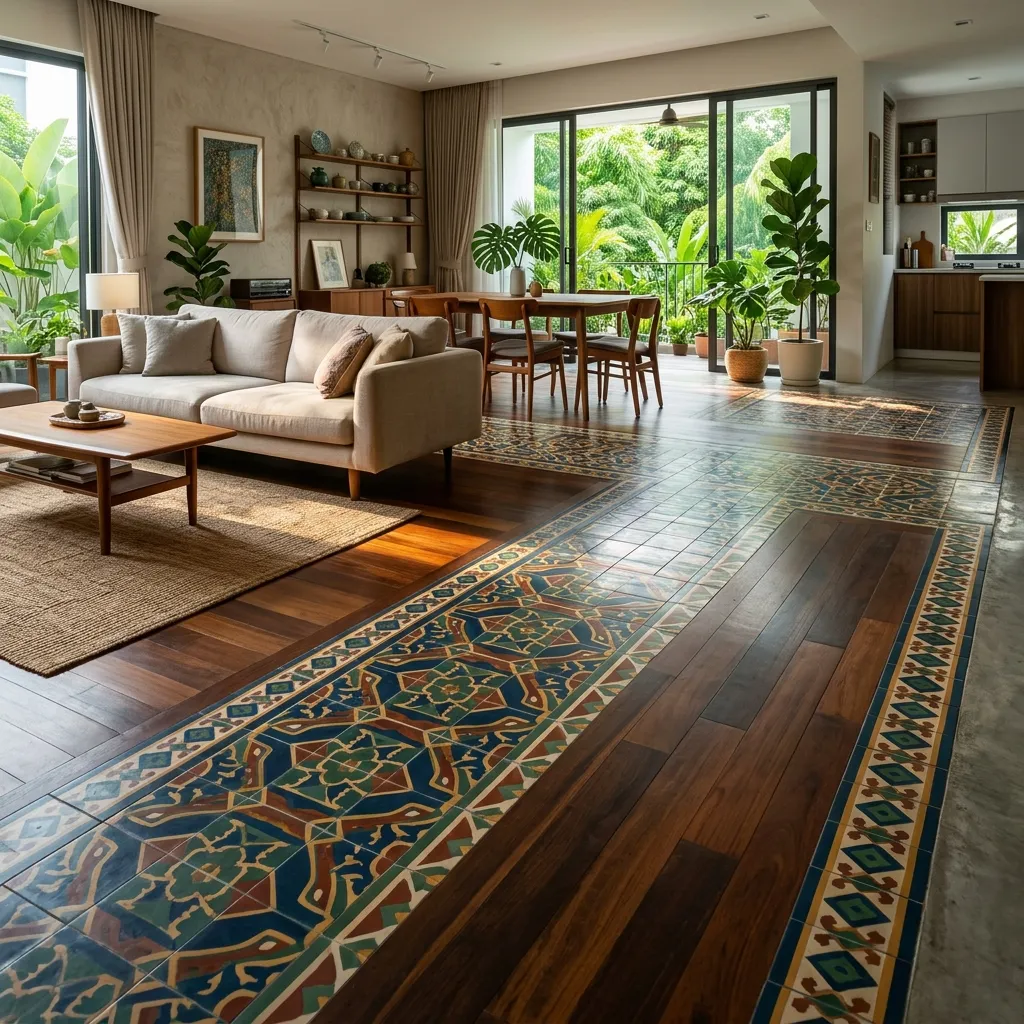
I'll be honest with you—most people in Malaysia just opt for a standard straight lay when installing floors. It's safe, it's fast, and it's what contractors default to. But if you're spending good money on a renovation, why settle for basic? Over my years of installing floors across KL and Johor, I've seen how a creative pattern—like a Herringbone or Chevron—can completely transform a flat, boring room into a high-end designer space. Today, I'm going to share the patterns that actually work in our tropical climate, without causing you maintenance headaches down the road.
Why Straight Lay Isn't Your Only Option Anymore
When I visit worksites, clients often ask me, "Wei Jian, won't a pattern make my small HDB or condo look too busy?" My answer is always: It depends on how you do it. A well-planned pattern doesn't just look pretty; it actually tricks the eye.
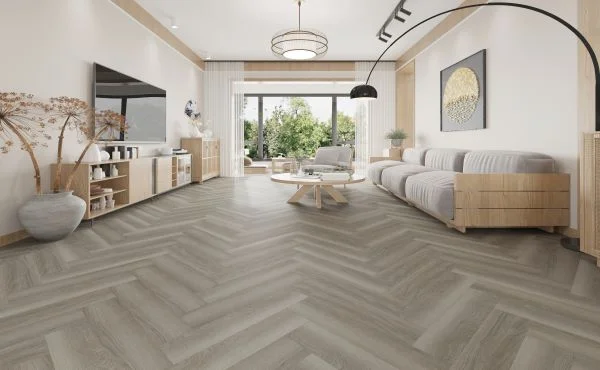
- Creating Space: A herringbone pattern naturally draws the eye outward, making narrow rooms (like typical condo living rooms) feel significantly wider.
- Zoning Without Walls: In open-concept Malaysian homes, you don't need walls to separate the dining and living areas. I often use a change in pattern direction to naturally define these spaces.
- Hiding Imperfections: Believe it or not, patterned floors are much better at hiding minor subfloor unevenness and everyday dust than a straight lay.
But here's the catch for us in Malaysia: you can't just pick a pretty pattern off Pinterest. You have to match it with materials that survive 30+ degree heat and 80% humidity.
The Best Materials for Patterned Floors in Malaysia
Let's talk about what actually lasts. If you want a pattern, you need a material that is dimensionally stable—meaning it won't warp or buckle when the afternoon sun hits it.
- SPC (Stone Plastic Composite) Vinyl: This is my top recommendation right now. You can achieve a flawless Herringbone look with SPC. Because of its stone core, it barely expands in our heat, and it's 100% waterproof and termite-proof. Perfect for both wet and dry kitchens.
- Porcelain & Ceramic Tiles: The old reliable. If you want a Moroccan pattern or geometric shapes, tiles are indestructible. They stay cool underfoot, which is a massive plus for our climate.
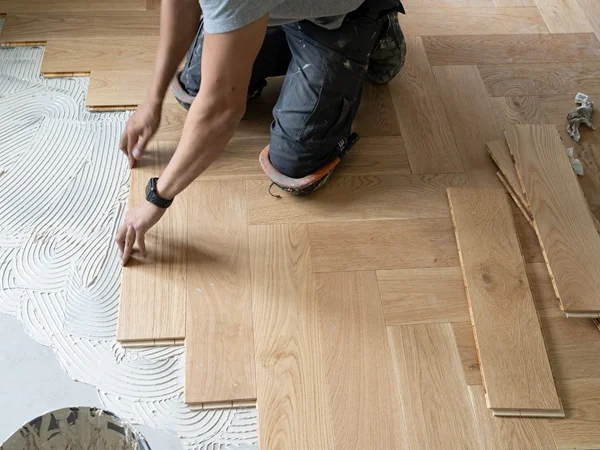
- Engineered Wood: If you absolutely must have real wood for a classic Parquet or Chevron look, avoid solid wood (termites love it). Use engineered wood instead. Just make sure your contractor installs a proper moisture barrier underneath.
My Insider Tips Before You Install
Before you tell your contractor you want a pattern, keep these three realities in mind:
- Prepare for 15% More Wastage: Patterned floors require a lot of cutting. If you're doing a herringbone, you must buy 15% more material than your actual floor area. Don't let your contractor under-order, or you'll have mismatched batches later.
- Labor Costs Will Be Higher: Installing a pattern is slow, meticulous work. A good installer will charge you more (usually RM 5-15 more per sqft) because it requires real skill to keep the lines perfectly straight.
- Subfloor Prep is Non-Negotiable: A pattern will magnify a bad subfloor. I spend double the time doing self-leveling on a patterned job compared to a straight lay. If your contractor skips this, your pattern will look wavy.
Frequently Asked Questions
1. What flooring patterns are best for resisting Malaysia's heat and humidity? add
2. Are patterned wood floors susceptible to termites in Malaysia? add
3. How much more expensive is it to install patterned flooring compared to a standard straight lay in Malaysia? add
4. Can I use different flooring patterns in adjoining rooms, and how do I transition them smoothly? add
5. What's a good low-maintenance, patterned flooring option for a family home in Malaysia? add
Conclusion
Stepping away from the standard straight lay is one of the easiest ways to inject luxury into your home. Just remember to prioritize materials like SPC or Porcelain that can handle our tropical climate, and don't skimp on a professional installer. A beautiful pattern installed badly is a nightmare, but when done right, it's a masterpiece you'll love walking on every day.