Avoiding Common Flooring Mistakes: Your Essential Guide for Flawless Floors in Malaysia
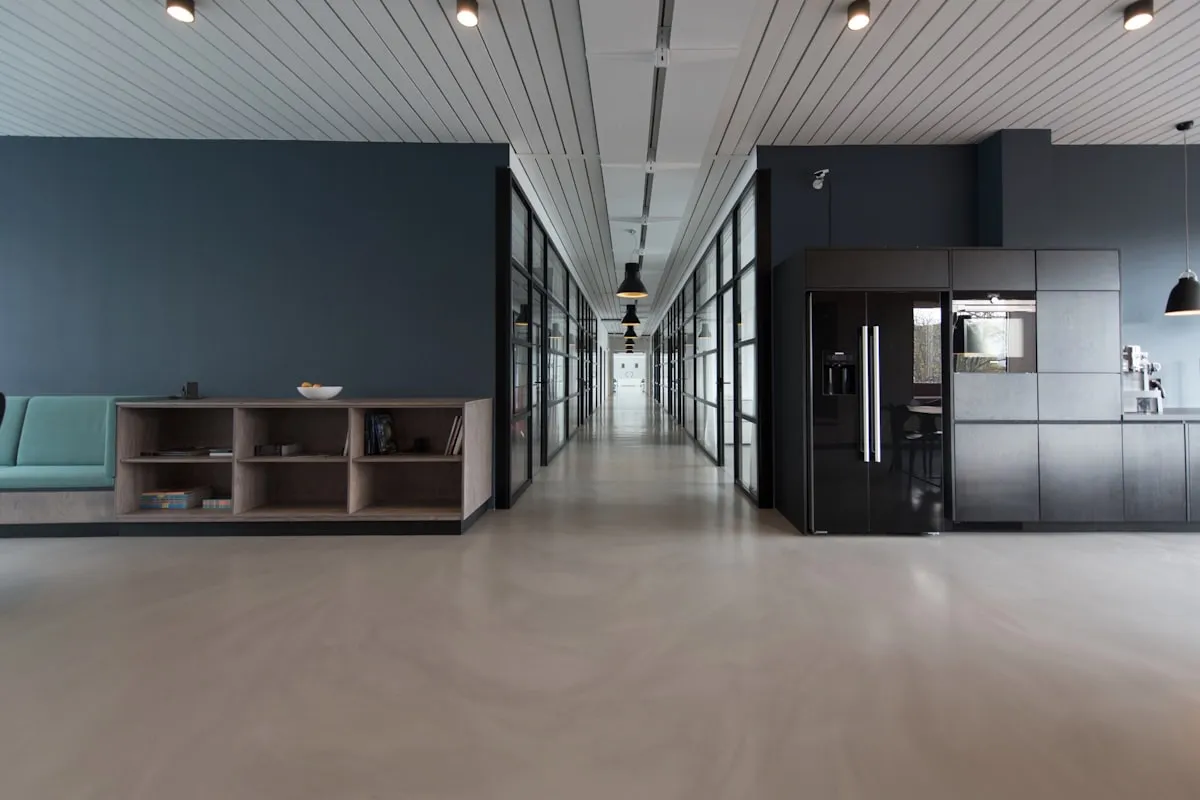
Flooring is a significant investment, fundamentally impacting your home's aesthetics, comfort, and long-term value. However, the path to perfect floors is often fraught with common mistakes that can lead to costly repairs, premature wear, and immense frustration. In Malaysia's unique tropical climate – characterized by high heat and humidity, and the omnipresent threat of termites – these pitfalls are even more pronounced. This expert guide is designed to equip you with the knowledge to identify and avoid common flooring errors, ensuring your investment stands the test of time and climate.
Pre-Installation Pitfalls: The Foundation of Future Failures
1. Neglecting Subfloor Assessment
The subfloor is the backbone of your new flooring. Ignoring its condition is a cardinal sin. A subfloor must be clean, dry, level, and structurally sound. In Malaysia, moisture testing is absolutely critical. High humidity and ground moisture can wreak havoc on flooring, leading to warping, buckling, and adhesive failure if the subfloor isn't properly prepared and sealed. Always conduct a moisture test and address any dampness or unevenness before installation.
2. Mismatched Material Choice for Environment
Opting for a flooring material purely based on aesthetics without considering your home's specific conditions or local climate is a common error. Solid hardwood, for example, is beautiful but can be prone to expansion, contraction, and termite infestation in Malaysia's humid environment if not properly treated or maintained. Consider factors like traffic levels, exposure to moisture (e.g., bathrooms, kitchens), and sun exposure. For tropical climates, SPC (Stone Polymer Composite) vinyl, porcelain tiles, or well-engineered wood are often more resilient choices.
3. Skipping Acclimation Period
Many flooring materials, especially those with wood components like engineered wood or laminate, need time to acclimate to the room's temperature and humidity before installation. Failing to do so can lead to significant issues like gapping, buckling, or warping after installation, as the material adjusts to its new environment. Always follow manufacturer recommendations for acclimation, typically 48-72 hours, especially in Malaysia's fluctuating humidity.
4. Underestimating the Budget
Flooring costs extend beyond the price per square foot (RM/sqft) of the material. Homeowners often overlook expenses such as subfloor preparation, old flooring removal and disposal, trim and moulding, delivery fees, and professional installation costs. Hidden issues like extensive subfloor leveling or moisture remediation can significantly inflate the total project cost. Always get a detailed, itemized quote and budget for a 10-15% contingency fund.
5. Ignoring Professional Advice
While DIY videos can be tempting, flooring professionals possess invaluable expertise, particularly concerning local conditions and suitable materials. Dismissing their recommendations on subfloor preparation, material selection, or installation techniques can lead to preventable and expensive mistakes. Seek out reputable contractors who understand Malaysian climate challenges.

Installation Imperfections: Errors During the Process
1. DIY Delusions Without Proper Skills or Tools
While some minor home projects are suitable for DIY, flooring installation is complex, requiring precision, specific tools, and technical know-how. Incorrect cutting, uneven adhesive application, improper plank alignment, or failing to create expansion gaps can result in an unprofessional finish, compromised durability, and potential warranty voidance. For a flawless and long-lasting floor, professional installation is almost always the wiser choice.
2. Disregarding Manufacturer Installation Guidelines
Every flooring product comes with specific installation instructions from its manufacturer. These guidelines are crucial for optimal performance, appearance, and maintaining your warranty. Deviating from these instructions – whether it's the recommended adhesive type, subfloor preparation, or plank laying pattern – can lead to immediate and long-term problems, often voiding any guarantee.
3. Improper Adhesive Application or Fastening
For glue-down installations, using too little or too much adhesive, or applying it unevenly, can lead to lifting, squeaking, or gaps. For floating floors, ensuring proper click-lock engagement and adequate expansion gaps around the perimeter is vital. Poor fastening in nail-down installations can cause movement and noise. These issues compromise the structural integrity and longevity of your floor.
4. Neglecting Expansion Gaps
Flooring materials, especially wood-based products, expand and contract with changes in temperature and humidity. Failing to leave adequate expansion gaps around the perimeter of the room, near walls, cabinets, and other fixed objects, will cause the floor to buckle, warp, or lift as it expands, creating unsightly and damaging pressure points. This is particularly critical in Malaysia's climate.
5. Rushing the Installation Process
Quality flooring installation takes time and patience. Rushing through steps, especially subfloor preparation, drying times for adhesives or sealants, or detailed cutting, often leads to shortcuts and errors. These mistakes accumulate, resulting in an inferior finish and potential structural issues down the line. A professional understands the pace required for a meticulous job.

Longevity Lapses: Post-Installation & Maintenance Missteps
1. Using Incorrect Cleaning Products and Methods
Not all cleaning solutions are suitable for all flooring types. Harsh chemicals, abrasive cleaners, or excessive water can damage the finish, degrade the material, or leave residue. For instance, using a steam mop on certain laminate or engineered wood floors can cause warping, while strong detergents can strip the protective layer from vinyl. Always use manufacturer-recommended or appropriate pH-neutral cleaners and methods, sweeping or vacuuming regularly to remove grit.
2. Neglecting Minor Damage and Spills
Small scratches, dents, or spills might seem insignificant, but if left unaddressed, they can escalate into larger problems. Scratches can deepen, allowing moisture to penetrate, while spills left to sit can stain or warp certain materials. Promptly cleaning up spills and addressing minor damage with appropriate repair kits can significantly extend your floor's lifespan.
3. Lack of Preventive Measures
Preventative care is key to maintaining beautiful floors. This includes using furniture pads under chairs and tables to prevent scratches, placing doormats at all entrances to trap dirt and moisture, and avoiding walking on floors with spiked heels. In Malaysia, regular pest control is also a crucial preventative measure, especially for wood-based flooring, to deter termites.
4. Ignoring Warranty Terms and Conditions
Many flooring warranties require specific maintenance practices. Failing to adhere to these can void your warranty, leaving you without recourse should an issue arise. Understand what your warranty covers, what it excludes, and what maintenance routines are required to keep it valid.
5. Termite Vigilance (Critical in Malaysia)
For any wood-based flooring (solid, engineered, laminate), ongoing vigilance against termites is paramount in Malaysia. Regular inspections, especially in less-frequented areas, are essential. Signs like mud tubes, hollow-sounding wood, or discarded wings warrant immediate professional pest control intervention. While SPC and tiles are termite-proof, wooden elements like skirting are still vulnerable.
Frequently Asked Questions
1. What flooring types best withstand Malaysia's heat and humidity? +
2. How can I ensure my flooring is termite-resistant in Malaysia? +
3. What's the typical cost range for professional flooring installation in Malaysia (per sqft)? +
4. What critical subfloor preparation is needed for flooring in Malaysia's tropical climate? +
5. How do I identify a reliable flooring contractor in Malaysia? +
Conclusion
Achieving beautiful, durable floors in your Malaysian home doesn't have to be a gamble. By understanding and actively avoiding these common flooring mistakes—from diligent pre-installation planning and informed material selection to meticulous installation and consistent, correct maintenance—you safeguard your investment. Always prioritize quality materials, professional expertise, and a proactive approach to care, especially considering our unique tropical environment. Your floors are the foundation of your living space; ensure they stand strong and stunning for years to come.