Choosing The Right Tiles For Your Malaysian Home: A Comprehensive Guide to Tropical Flooring
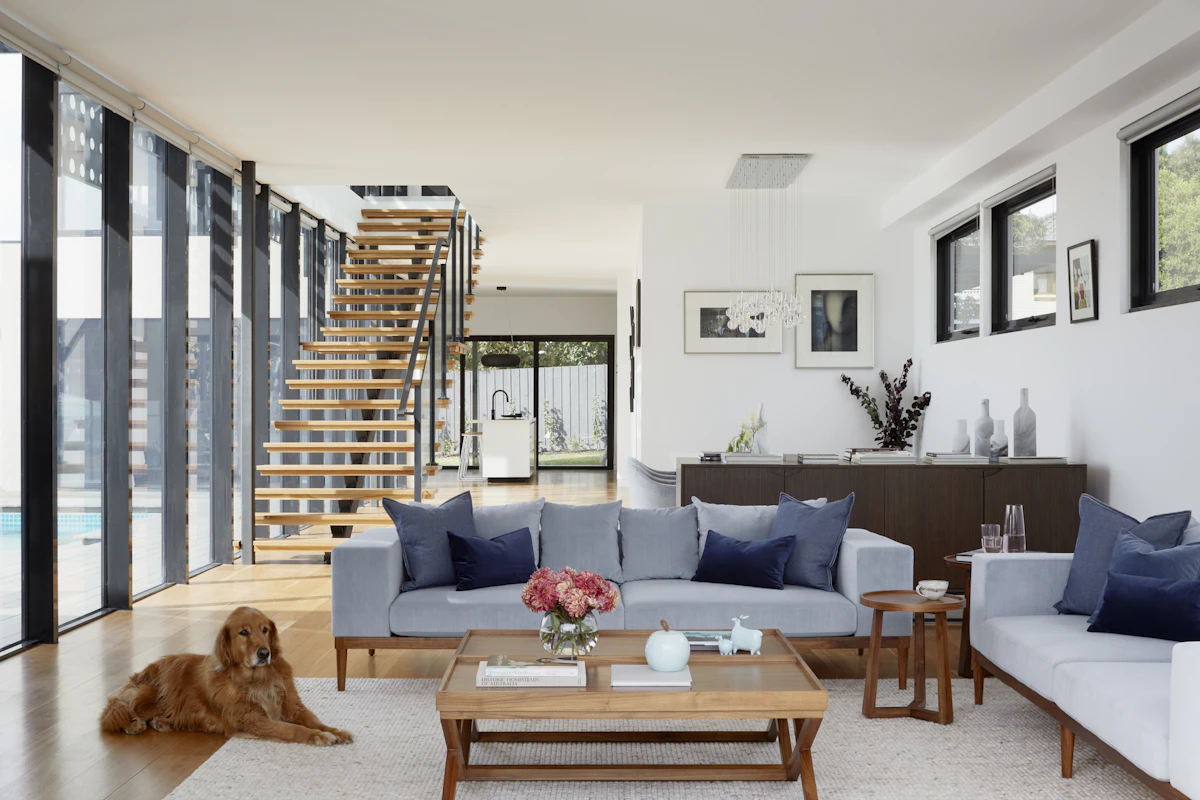
Choosing the perfect tiles for your Malaysian home is more than just an aesthetic decision; it's a strategic investment in comfort, durability, and resilience against our unique tropical climate. From battling humidity and heat to ensuring longevity and ease of maintenance, the right tile selection can significantly enhance your living experience. This comprehensive guide will navigate you through the essential considerations, material types, and design insights to help you make informed choices that stand the test of time and tropical weather.
Understanding Tile Types: Material Matters for Malaysian Climates
The foundation of a successful tiling project lies in understanding the characteristics of various tile materials. Each offers distinct advantages and disadvantages, especially when considering Malaysia’s warm, humid environment:
- Ceramic Tiles: Known for their affordability and vast array of designs, ceramic tiles are a popular choice. They are made from clay, feldspar, and other minerals, then fired at high temperatures. While generally less dense and durable than porcelain, modern ceramic options are excellent for low to moderate traffic areas like bedrooms or guest bathrooms. They are relatively easy to clean and maintain, but can be prone to chipping in high-impact zones.
- Porcelain Tiles: The workhorse of modern flooring, porcelain tiles are celebrated for their exceptional durability, water resistance, and low porosity. Fired at higher temperatures and made from finer, denser clays, porcelain is ideal for high-traffic areas such as living rooms, kitchens, and commercial spaces. Its low water absorption rate makes it highly resistant to humidity and less susceptible to mould, a crucial advantage in Malaysia. Porcelain is available in various finishes, including polished, matt, and textured, offering incredible versatility.
- Homogeneous Tiles (Full-Body Porcelain): A specific type of unglazed porcelain, homogeneous tiles have their colour and pattern running throughout the entire body of the tile. This means chips or scratches are less noticeable, enhancing their longevity and making them perfect for extremely heavy traffic areas or where consistent appearance is vital. They share the high durability and low water absorption of other porcelain types.
- Natural Stone Tiles (Marble, Granite, Travertine): For an undeniably luxurious aesthetic, natural stone tiles are unmatched. Each piece offers unique patterns and colours, bringing an organic elegance to any space. However, they are generally more porous than ceramic or porcelain, requiring regular sealing to protect against stains and moisture. They also tend to be higher maintenance, more expensive, and can be prone to scratching or etching. While stunning, their suitability for a high-humidity environment without diligent maintenance should be carefully considered.
Key Factors for Tile Selection: Durability, Maintenance, and Climate Resilience
Beyond material type, several technical specifications are paramount when selecting tiles for a Malaysian home. These factors directly impact the longevity, safety, and suitability of your flooring:
- PEI Rating (Porcelain Enamel Institute): This rating indicates a tile's resistance to abrasion and wear.
- PEI 0-1: Very light traffic (wall tiles only).
- PEI 2: Light traffic (e.g., bathrooms, bedrooms).
- PEI 3: Moderate traffic (e.g., general residential areas, most rooms).
- PEI 4: Heavy traffic (e.g., all residential areas, light commercial).
- PEI 5: Very heavy traffic (e.g., all residential, commercial, industrial).
- Water Absorption Rate: This is a critical factor in a humid climate. Lower absorption rates mean the tile is less likely to absorb moisture, reducing the risk of mildew, warping, and damage. Porcelain tiles typically have a very low absorption rate (<0.5%), making them ideal for bathrooms, kitchens, and outdoor spaces. Ceramic tiles have a higher absorption rate, making them less suitable for consistently wet areas.
- Slip Resistance (Coefficient of Friction - COF): Safety is paramount. Tiles with a higher COF offer better grip, which is essential for areas prone to water spills like bathrooms, kitchens, and outdoor patios. Look for matt or textured finishes, or tiles specifically labelled as R9 (standard) to R13 (highest) for slip resistance. Polished tiles, while beautiful, can be extremely slippery when wet.
- Ease of Maintenance: Consider your lifestyle. Porcelain and glazed ceramic tiles are generally low-maintenance, requiring simple sweeping and mopping. Natural stone, conversely, may require specific cleaners, sealing, and more careful attention to prevent staining.
- Heat and Humidity Resistance: Tiles, especially porcelain, are excellent conductors of heat and do not absorb moisture, making them inherently resistant to the warping, buckling, or mould growth that can affect other flooring types in Malaysia's tropical climate. This makes them a durable and stable choice for year-round comfort.
- Termite Resistance: Unlike timber flooring, tiles are completely impervious to termites, offering peace of mind and eliminating a significant concern for Malaysian homeowners.
Aesthetic Appeal: Choosing Colours, Patterns, and Sizes for Your Malaysian Home
Once the technical aspects are covered, it's time to unleash your creativity and select tiles that reflect your personal style while enhancing your home's aesthetics:
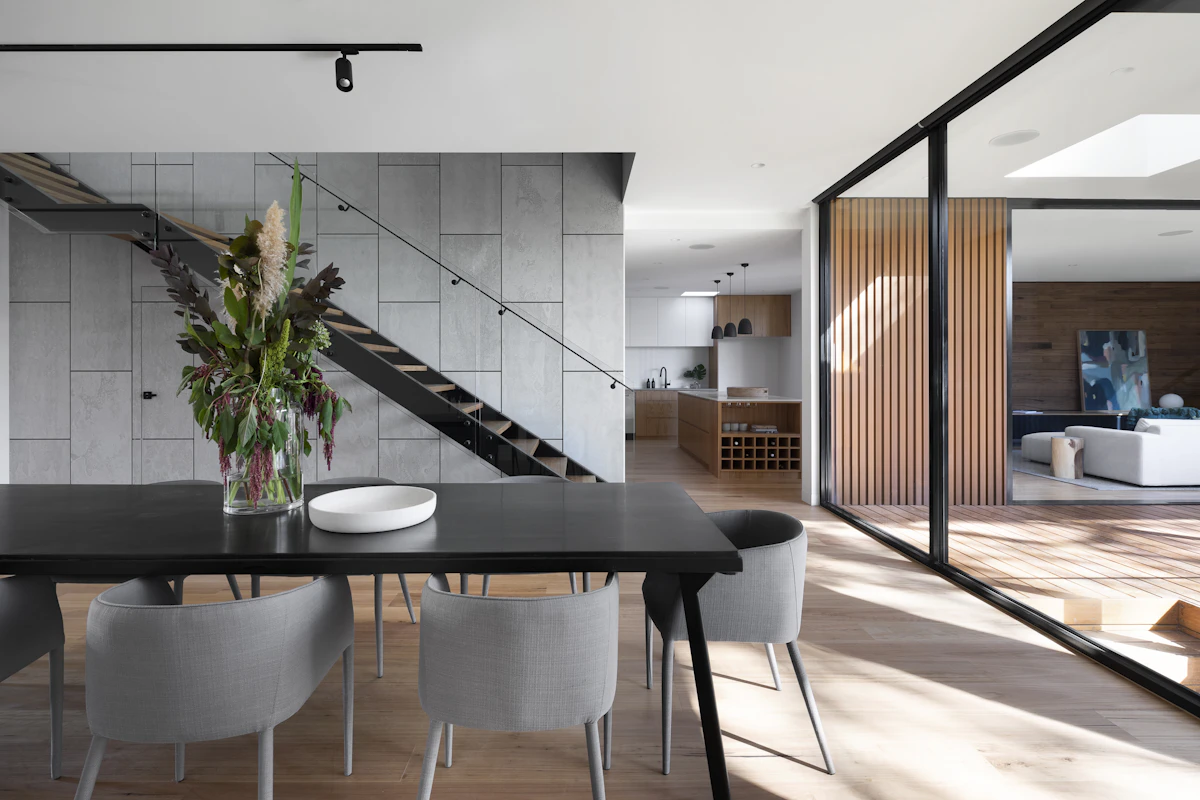
- Colours: Light-coloured tiles (whites, creams, light greys) are popular as they visually expand spaces and reflect light, making rooms feel brighter and airier – a definite plus in warmer climates. They also tend to absorb less heat. Darker tiles can create a sense of coziness and sophistication but might make smaller rooms feel more enclosed. Consider how colours interact with natural light in your home throughout the day.
- Patterns and Textures: The market offers an astounding variety:
- Wood-Look Tiles: Achieve the warmth of timber without the maintenance or termite concerns.
- Marble/Stone-Look Tiles: Emulate luxury at a fraction of the cost and with better durability than natural stone.
- Geometric Patterns: Add a contemporary flair and visual interest.
- Plain/Solid Colours: Create a minimalist backdrop that allows furniture and decor to shine.
- Sizes: The size of your tiles can dramatically alter a room's perception:
- Large Format Tiles: Offer a modern, seamless look with fewer grout lines, making rooms appear larger and significantly easier to clean. Ideal for open-plan living areas.
- Standard Sizes: (e.g., 60x60cm, 30x60cm) Provide a balanced look suitable for most rooms.
- Small Format Tiles/Mosaics: Excellent for intricate patterns, borders, or to highlight specific areas like shower floors or kitchen backsplashes.
- Grout: Often overlooked, grout colour can either blend seamlessly or create a contrasting grid. Darker grout lines can help hide dirt, while lighter grout brightens a space. Opt for high-quality, mould-resistant grout, and consider sealing it, especially in wet areas, for added protection against humidity.
- Room-Specific Considerations:
- Living & Dining Rooms: Prioritise durability (PEI 3-4) and aesthetic appeal. Large format porcelain in light colours or wood-look designs are common choices.
- Kitchens: High durability (PEI 4-5), excellent water and slip resistance are key. Matt or textured porcelain tiles are highly recommended.
- Bathrooms: Paramount focus on very low water absorption and high slip resistance. Smaller tiles on shower floors can provide more grout lines for grip.
- Bedrooms: Comfort and aesthetics. While tiles can feel cool, rugs can add warmth. Ceramic or PEI 2-3 porcelain are suitable.
- Outdoor Areas/Balconies: Requires specific outdoor-rated porcelain tiles with superior slip resistance (R11-R13), UV stability, and resistance to extreme temperature fluctuations.
Frequently Asked Questions
1. What are the best types of tiles for resisting heat and humidity in Malaysian homes? add
2. How much do tiles typically cost in Malaysia (RM/sqft), including installation? add
- Ceramic Tiles: RM 3 - RM 8 per sqft (materials only).
- Porcelain Tiles: RM 8 - RM 25+ per sqft (materials only).
- Homogeneous/Full-Body Porcelain Tiles: RM 15 - RM 35+ per sqft (materials only).
- Natural Stone Tiles (e.g., Marble): RM 30 - RM 100+ per sqft (materials only).
3. Are tiles a good choice for termite prevention in Malaysian homes? add
4. What should I consider for slip resistance, especially in Malaysian bathrooms and wet kitchens? add
5. Can I use the same tiles for indoor and outdoor areas in Malaysia? add
Conclusion
Selecting the right tiles for your Malaysian home is a multi-faceted decision that balances durability, maintenance, safety, and aesthetic appeal. By understanding the properties of different materials and considering the unique challenges of our tropical climate – from humidity and heat to termite resistance and slip hazards – you can make an informed choice. Invest wisely in your flooring, and you’ll create a beautiful, comfortable, and resilient home that you and your family can enjoy for years to come.