Home Renovation

Ceramic / Porcelain Tiles Trends 2026 Malaysia: Future-Proofing Your Home with Style & Durability
eco
Flooring & Material Innovation Specialist

With over 15 years in the Malaysian flooring industry, I specialize in sustainable and high-performance tile solutions for tropical climates.

Published: June 2026
Asian family playing in modern living room with bamboo flooring

As we look towards 2026, the world of ceramic and porcelain tiles in Malaysia is evolving at a rapid pace, blending cutting-edge technology with timeless aesthetics. Homeowners are no longer just seeking functional flooring; they demand surfaces that enhance their living experience, reflect personal style, and withstand the unique challenges of our tropical climate. From sustainable innovations to grander formats and tactile textures, this article delves into the transformative trends set to dominate Malaysian interiors and exteriors, offering insights to help you make informed decisions for your next renovation project.

Embracing Innovation: Sustainability, Size & Superior Performance

The future of tiling is undeniably rooted in innovation, with significant advancements addressing both environmental concerns and practical demands for modern Malaysian homes. Homeowners are increasingly discerning, seeking materials that offer more than just visual appeal.

  • Sustainable & Eco-Conscious Choices: Expect a stronger push for tiles made from recycled content, produced using energy-efficient processes, and boasting low VOC emissions. Brands are responding to the demand for environmentally responsible building materials, making it easier for Malaysians to create green homes.
  • Grand Formats & Seamless Aesthetics: The trend towards larger format tiles continues its ascendancy. Think sizes like 60x120cm, 90x90cm, and even 120x120cm. These expansive tiles create fewer grout lines, resulting in a more seamless, spacious, and sophisticated look. Crucially for Malaysia, fewer grout lines also mean less opportunity for mould and mildew growth in humid conditions, simplifying maintenance.
  • Hyper-Realistic Textures & Finishes: Advanced digital printing and glazing technologies have perfected the art of imitation. Tiles in 2026 will boast incredibly authentic renditions of natural wood grains (without the termite worry!), luxurious marble veining, rugged concrete, and even subtle fabric textures. Matte finishes will remain highly popular for their sophisticated, low-sheen appearance and superior slip resistance, a key safety consideration for wet areas.
  • Enhanced Performance Capabilities: Beyond aesthetics, tiles are becoming smarter. Look out for innovations such as anti-slip coatings for improved safety, anti-bacterial/antimicrobial surfaces for better hygiene, and even heat-reflective properties designed to mitigate indoor temperatures, a significant advantage in Malaysia's equatorial climate.
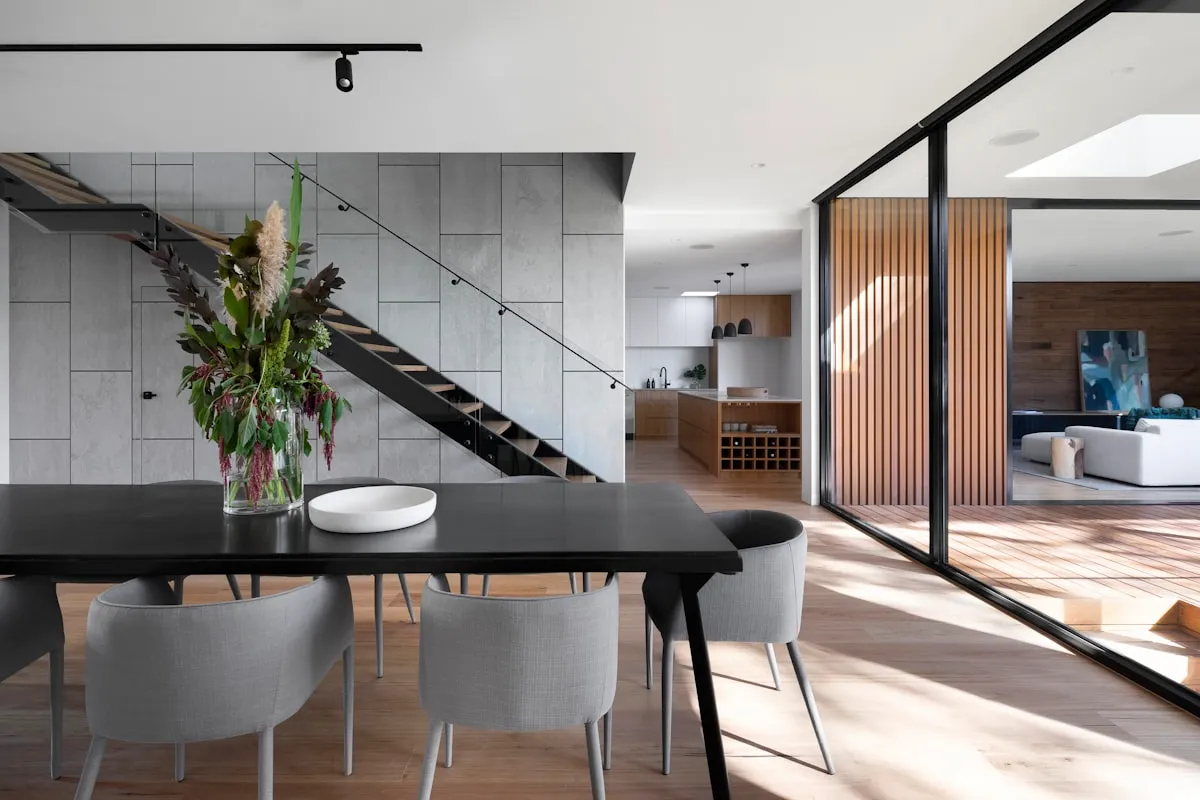
Texture detail of Ceramic / Porcelain Tiles

Aesthetic Directions: Biophilic Designs, Modern Minimalism & Artistic Expressions

The design palette for ceramic and porcelain tiles in Malaysia is set to broaden, offering a rich tapestry of styles that cater to diverse tastes while harmonising with the local environment.

  • Biophilic Bliss: Bringing Nature Indoors: Responding to a desire for connection with nature, biophilic tile designs will flourish. This includes earthy tones, botanical patterns, subtle leaf motifs, and colours inspired by Malaysia's lush rainforests – deep greens, warm browns, and sandy beiges. These designs help create calming, restorative spaces that blur the lines between indoor and outdoor living.
  • Modern Minimalism & Industrial Chic: For those who appreciate understated elegance, the minimalist and industrial styles will continue to evolve. Think refined concrete-look tiles, subtle grey palettes, and monochromatic schemes that focus on texture over ornamentation. These provide a sleek, contemporary backdrop for modern furniture and decor, perfectly suiting urban Malaysian homes.
  • Pattern Play & Artistic Expressions: Beyond solid colours and subtle textures, 2026 will see a resurgence of bold patterns and artistic tiles. Geometric shapes, abstract designs, and even modernized interpretations of traditional motifs (like intricate Peranakan patterns) will be used to create feature walls, accent zones, or entire floors that make a powerful statement. The ability to mix and match different patterns and sizes will offer endless customisation possibilities.
  • Warm Neutrals & Terracotta Tones: While cool greys have dominated for some time, there's a gentle shift towards warmer neutrals. Expect to see more taupes, sand tones, soft beiges, and even muted terracotta hues re-emerging. These colours bring a sense of warmth and coziness, ideal for creating inviting living spaces that feel distinctly Malaysian.
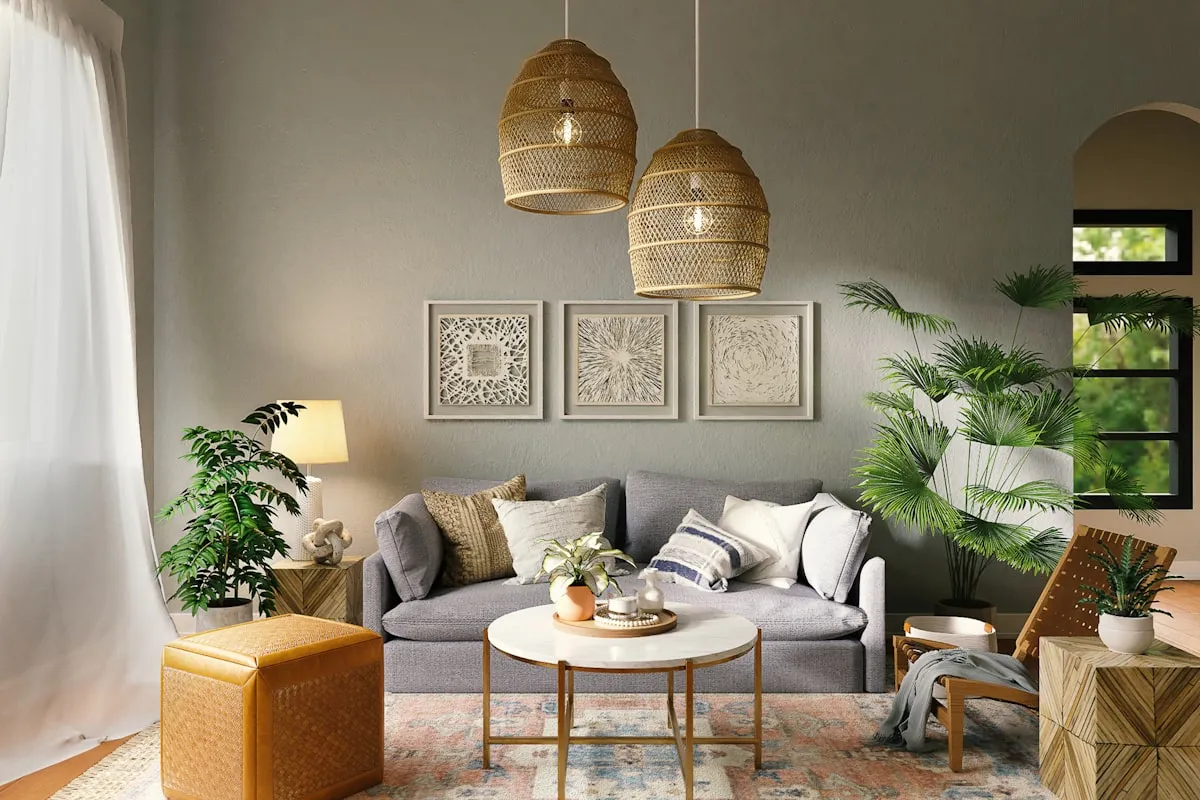
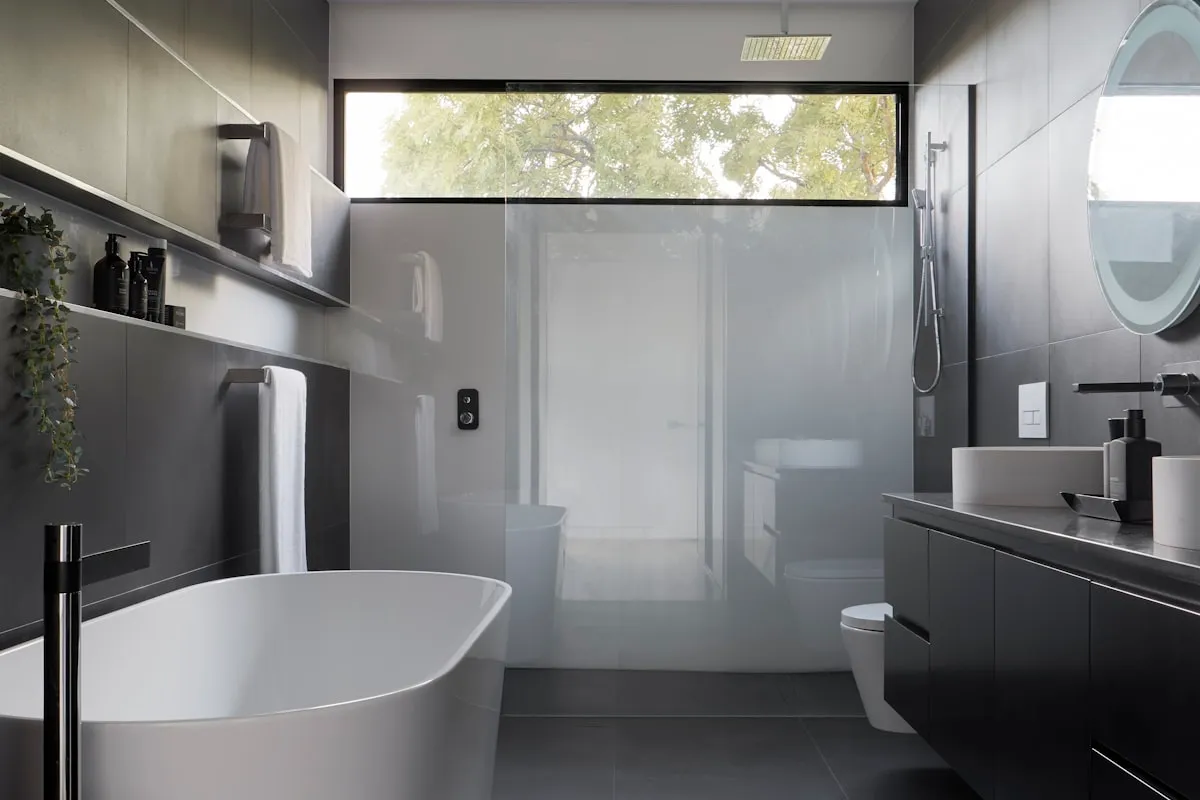
Room setting with Ceramic / Porcelain Tiles

Application Versatility: Beyond Floors and Walls

Tiles are no longer confined to just floors and bathroom walls; their versatility is expanding into new and exciting applications, transforming entire living spaces.

  • Seamless Indoor-Outdoor Transitions: With Malaysia's tropical climate encouraging outdoor living, a significant trend for 2026 is the creation of seamless indoor-outdoor transitions. Using 2cm thick outdoor porcelain pavers that visually match indoor tiles, homeowners can extend their living areas onto patios, balconies, and pool decks, creating cohesive and expansive entertainment zones that are durable against sun and rain.
  • Feature Walls & Vertical Statements: Tiles are becoming an art form for feature walls in living rooms, dining areas, and even bedrooms. Textured tiles, large format marble-look slabs, or intricately patterned designs can serve as stunning focal points, adding depth and character that paint simply cannot achieve. This application allows for dramatic visual impact without the need for extensive structural changes.
  • Kitchen Backsplashes & Island Cladding: Moving beyond simple subway tiles, kitchen backsplashes will embrace bolder patterns, larger formats, and more luxurious finishes. Tiles will also increasingly be used to clad kitchen islands, transforming them into sculptural elements and making a robust, easy-to-clean alternative to traditional cabinet finishes, resistant to cooking splashes and humidity.
  • Furniture & Custom Joinery Accents: In a bid for unique customisation, tiles are even finding their way onto bespoke furniture pieces, such as tiled tabletops, built-in shelving facades, or integrated benches in bathrooms. This unexpected application adds a touch of bespoke luxury and durability to custom-built elements within the home.

Frequently Asked Questions

1. Are porcelain tiles suitable for Malaysia's hot and humid climate? add
Absolutely. Porcelain tiles are highly dense, non-porous, and exceptionally water-resistant, making them perfectly suited for Malaysia's climate. They do not absorb heat significantly more than other hard surfaces, and crucially, they are impervious to humidity-induced warping, swelling, or mould growth, unlike natural wood or some laminates. Their low water absorption rate (<0.5%) means they remain stable and retain their aesthetic integrity for decades in humid conditions.
2. What's the typical price range for trendy ceramic/porcelain tiles in Malaysia in 2026? add
Prices for ceramic and porcelain tiles vary widely based on size, origin, design complexity, and brand. For standard 60x60cm porcelain tiles, you can expect a range of RM8-RM25 per square foot (sqft). Premium large-format tiles (e.g., 90x90cm, 120x120cm), designer collections, or imported tiles with advanced finishes can range from RM30-RM80+ per sqft. This pricing is for the tiles themselves; installation costs (which vary based on complexity and labour rates) are separate, typically RM5-RM15/sqft depending on the installer.
3. Do modern tiles offer better slip resistance, especially for Malaysian homes with kids/elderly? add
Yes, significantly. Many modern ceramic and porcelain tiles are engineered with enhanced anti-slip properties, often indicated by an R-rating (R9 being minimal, R13 being very high slip resistance). Matte finishes and textured surfaces inherently provide better grip than highly polished ones. For wet areas like bathrooms, outdoor patios, or homes with children and the elderly, always prioritise tiles with an appropriate R-rating to ensure maximum safety.
4. How do ceramic/porcelain tiles compare to engineered wood or vinyl for termite resistance in Malaysia? add
Ceramic and porcelain tiles hold a distinct advantage: they are 100% inorganic and inert, meaning they are completely immune to termite infestations. This is a significant relief for Malaysian homeowners constantly battling these pests. In contrast, even engineered wood, despite its layered construction, typically contains wood fibres and adhesives that can still be susceptible to termites. While many vinyl products are also termite-resistant, tiles offer a non-food source for pests, providing ultimate peace of mind.
5. What maintenance tips are crucial for trendy tiles in Malaysia's tropical environment? add
Maintaining tiles in Malaysia's climate is relatively straightforward. Regular sweeping or vacuuming to remove loose dirt and dust is essential. For cleaning, use a mild, pH-neutral tile cleaner diluted in water with a damp mop; avoid harsh, acidic, or abrasive cleaners that can damage grout or tile finishes over time. For grout lines, especially in humid bathrooms, a gentle grout brush can help prevent discolouration. Ensure good ventilation to air out wet areas, and promptly wipe up spills to prevent staining, particularly on lighter-coloured or textured tiles.

Conclusion

The ceramic and porcelain tile landscape in Malaysia for 2026 promises a blend of aesthetic beauty, technological prowess, and practical resilience tailored for the discerning homeowner. From sustainable solutions and grand formats to biophilic designs and enhanced performance features, these trends offer endless possibilities to elevate your living spaces. By embracing these innovations, Malaysian homeowners can create homes that are not only stunning and stylish but also durable, comfortable, and perfectly suited to our unique tropical environment for years to come.