Bamboo Flooring Trends 2026 Malaysia: The Sustainable Choice
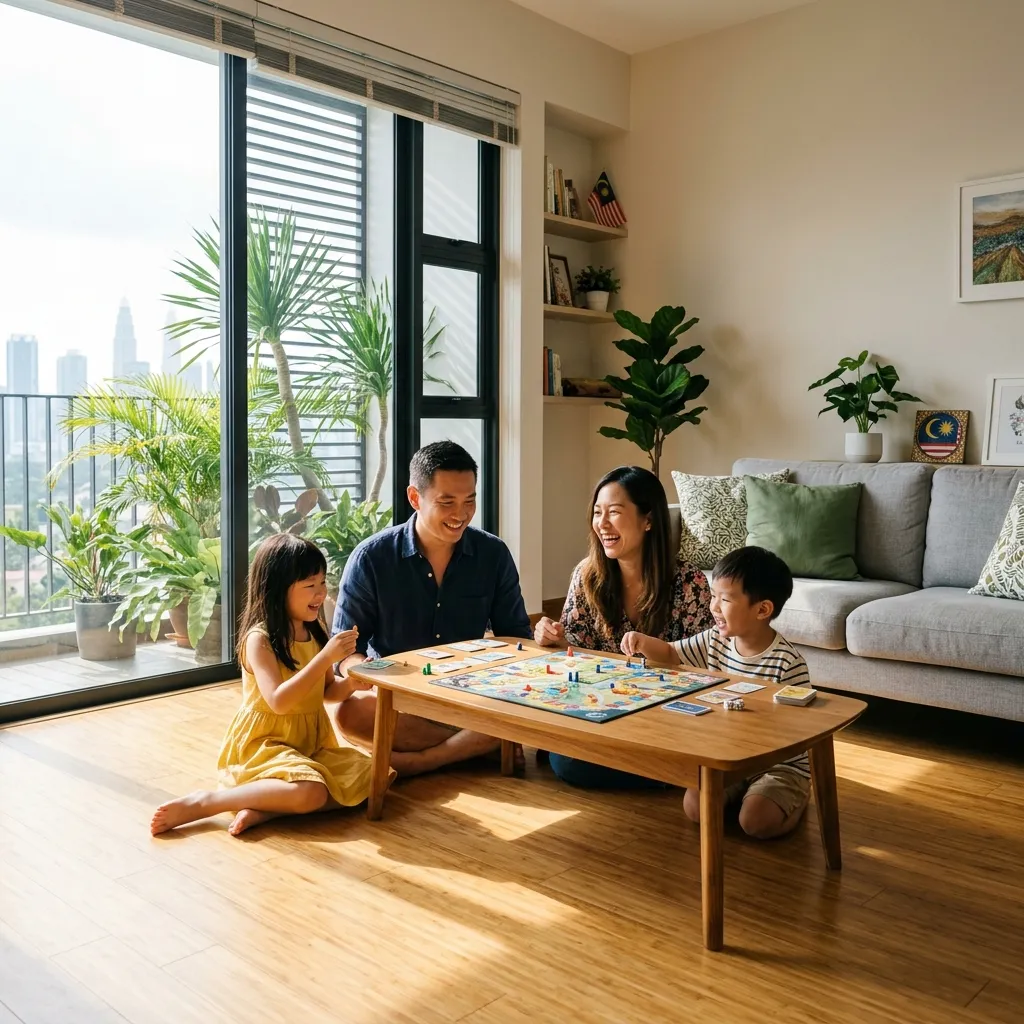
While timber prices continue to soar and SPC faces scrutiny over its plastic content, Bamboo is staging a massive coup in the Malaysian market. But we aren't talking about the flimsy, hollow bamboo mats of the past. The 2026 obsession is exclusively centered around ultra-dense, strand-woven bamboo—a material so tough it often outlasts traditional hardwoods, yet grows back in a fraction of the time.
The Strand-Woven Revolution
If a supplier in 2026 tries to sell you "horizontal" or "vertical" pressed bamboo, walk away. Strand-woven is the only specification that matters now, especially for Malaysia's demanding climate.
- Extreme Density: Strand-woven bamboo is created by shredding the bamboo fibers, mixing them with eco-friendly resins, and compressing them under immense heat and pressure. The resulting plank is often twice as hard as oak (scoring over 3000 on the Janka hardness scale), making it virtually immune to pet scratches and dropped pans.
- Carbonized Stability: To combat Malaysia's 80%+ humidity, top-tier bamboo undergoes a deep carbonization process. This controlled boiling/steaming caramelizes the natural sugars in the bamboo, darkening the wood naturally while dramatically reducing its capacity to absorb moisture from the air.
Aesthetic Shifts: Moving Away from "The Bamboo Look"
The classic "knuckles" or nodes of the bamboo stalk used to be a dead giveaway. Today, the aesthetic has evolved entirely.
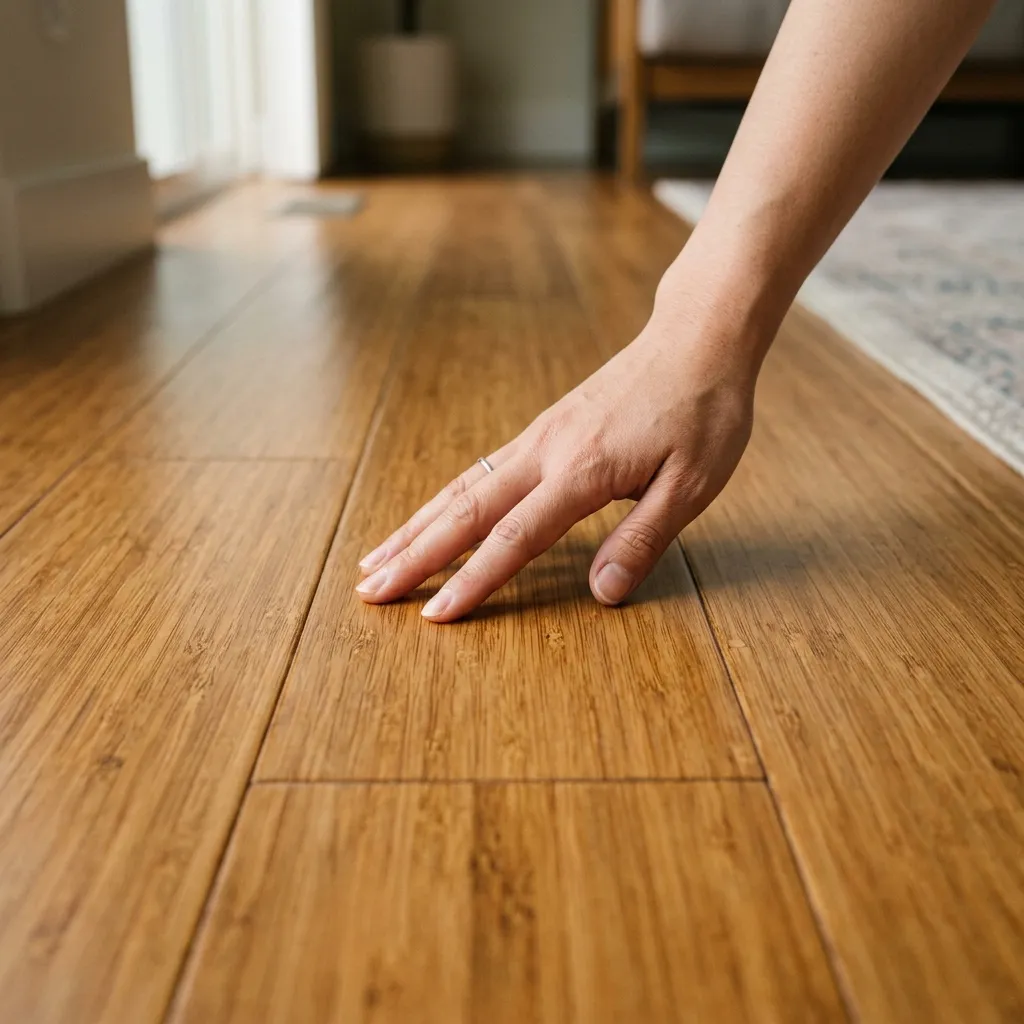
- Mimicking Hardwoods: Advanced wire-brushing and hand-scraping techniques are being applied to strand-woven bamboo, giving it the exact texture and grain appearance of distressed walnut or hickory. Homeowners get the luxury wood aesthetic without the environmental guilt.
- Ultra-Matte UV Urethane: High-gloss finishes trap heat and show every speck of dust. The 2026 standard is a 7- to 9-coat aluminum oxide infused UV urethane finish in an ultra-matte sheen. This provides a soft, bare-foot friendly texture that diffuses tropical sunlight beautifully.
verified_user Trend Verification
When purchasing strand-woven bamboo in Malaysia, always demand to see the VOC emission certificate. While the bamboo itself is green, the resins used to compress it can emit formaldehyde. Ensure the product is certified FloorScore® or meets E0 (zero emission) European standards.