How to Avoid Low-Quality SPC: A Complete Guide to SPC Flooring Choosing

SPC flooring is famous for being 100% waterproof and incredibly durable, but not all planks are created equal. The market is currently flooded with cheap, low-quality alternatives that easily crack, scratch, and warp. If you are renovating your home or commercial space, mastering the process of SPC flooring choosing is critical. This guide breaks down exactly what to look for, the red flags to avoid, and the physical tests you can do yourself to ensure you are buying a floor that will actually last.
The Ultimate Guide to Spotting Low-Quality SPC: Master Your SPC Flooring Choosing
Stone Plastic Composite (SPC) flooring has taken the home renovation world by storm. Because it is 100% waterproof, highly durable, and mimics the look of real wood or stone, it has quickly become the go-to choice for homeowners and interior designers alike.
However, this massive surge in popularity has created a hidden problem. To meet high demand and compete on price, many manufacturers have started cutting corners. The market is now flooded with cheap, low-quality SPC flooring that looks great in the showroom but fails miserably a few months after installation.
When planks snap, lock systems break, or toxic smells linger in your home, that "cheap" floor suddenly becomes a very expensive mistake.
If you want to protect your investment, your approach to SPC flooring choosing needs to be careful and informed. You do not need to be a flooring contractor to spot a bad product; you just need to know where factories cut corners. This guide will walk you through the anatomy of a good plank, the red flags of a bad one, and the physical tests you can do before you buy.
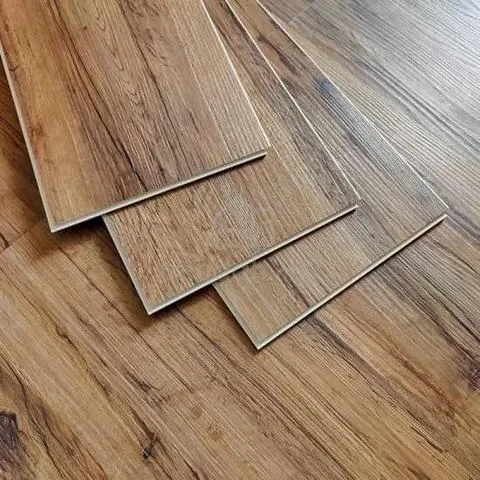
Understanding the Anatomy of an SPC Plank
Before you can spot a bad floor, you need to understand how a good one is built. SPC flooring is not just a solid block of plastic. It is a manufactured sandwich made of several distinct layers pressed together under high heat.
- The UV Coating: The invisible top shield that prevents the floor from fading in the sunlight and adds initial scratch resistance.
- The Wear Layer: A clear, protective layer of PVC. This is your floor's main defense against foot traffic, pet claws, and moving furniture.
- The Decor Film (Color Layer): The high-definition printed layer that gives the floor its wood, stone, or tile appearance.
- The SPC Rigid Core: The heart of the plank. It is a dense mixture of natural limestone powder and PVC plastic. This is what makes the floor rigid and waterproof.
- The Attached Underlayment (Backing): Usually made of EVA or IXPE foam, this bottom layer helps with soundproofing and makes the floor softer to walk on.
Low-quality manufacturers will compromise on one, several, or even all of these layers to lower their prices.
The 5 Major Red Flags of Low-Quality SPC Flooring
When navigating the process of SPC flooring choosing, you must look past the pretty wood patterns and focus on the technical specifications. Here are the five biggest red flags that indicate a low-quality product.
Red Flag 1: The Use of Recycled Core Materials
The core of an SPC plank should be made from virgin (new) PVC mixed with high-quality limestone powder. Virgin PVC is incredibly strong, flexible, and structurally sound.
To save money, cheap manufacturers use recycled PVC mixed with unknown scrap plastics.
Why is this a problem? Recycled PVC is brittle. Because the plastics have already been processed and melted down before, their chemical bonds are weak. An SPC core made with recycled materials is much more likely to snap under pressure, crack when you drop something heavy on it, or fail during installation. Furthermore, because the factory is using mystery scrap plastic, recycled cores are notorious for emitting chemical smells (off-gassing) into your home.
How to spot it: Look at the side profile (the cut edge) of the plank. A high-quality virgin SPC core will have a clean, uniform color (usually stark white, light grey, or a clean black). A recycled core often looks muddy, inconsistent, or has tiny, uneven specks of random colors mixed in.
Red Flag 2: A Paper-Thin Wear Layer
Think of the wear layer like a screen protector for your smartphone. If it is too thin, it won't protect the screen underneath.
The thickness of the wear layer is usually measured in millimeters (mm) or mils (a thousandth of an inch). A common mistake in SPC flooring choosing is buying a floor based purely on the total thickness of the plank, while ignoring the thickness of the wear layer. You could have a very thick plank, but if the wear layer is thin, the wood pattern will scratch off quickly.
- 0.1mm to 0.2mm: Extremely low quality. Only suitable for temporary setups or walls. Do not put this on a floor you walk on daily.
- 0.3mm: The standard for light-to-medium residential use (bedrooms, low-traffic living rooms).
- 0.5mm and above: High quality. Excellent for busy households, homes with pets, or commercial spaces like offices and cafes.
How to spot it: Always ask the salesperson for the specific wear layer thickness, not just the overall plank thickness. If they don't know, or if the spec sheet doesn't clearly state it, walk away.
Red Flag 3: Weak and Brittle Click Systems
SPC flooring is a "floating floor," meaning it is not glued or nailed down. The planks connect to each other using a click-and-lock system on the edges. The strength of this joint is arguably the most important mechanical feature of the floor.
If the manufacturer uses a cheap core material or cuts the locking joints too thinly, the click system becomes fragile. What happens then?
- The joints might snap right off in the installer's hands.
- After a few months of walking on the floor, the pressure will cause the weak locks to break underneath.
- Once the locks break, the planks will start to separate, creating ugly gaps that trap dirt.
- Water can seep through these broken gaps, reaching your subfloor and causing mold.
How to spot it: Look for globally recognized, patented click systems. The most reliable and tested systems in the world are from companies like Unilin or Välinge. If the flooring box proudly displays a Unilin or Välinge patent label, you can generally trust the joint strength.
.webp)
Red Flag 4: Missing or Cheap Underlayment
High-quality SPC usually comes with a pre-attached foam backing (IXPE or EVA foam). IXPE is generally considered superior as it is denser, better at blocking sound, and more eco-friendly.
Low-quality floors will either have no attached underlayment (forcing you to buy and roll out a separate underlayment, which adds to your labor costs) or they will use a very cheap, crumbly EVA foam that flattens out like a pancake after a few months of walking on it. Once that cheap foam flattens, your floor will sound hollow and "clicky" when you walk in shoes.
Red Flag 5: Lack of Health and Safety Certifications
Because SPC is a manufactured product made from plastics and chemical binders, indoor air quality is a massive concern. Bad factories use cheap plasticizers containing Phthalates and heavy metals to make their rigid cores slightly more flexible. These chemicals can slowly release Volatile Organic Compounds (VOCs) into your home's air, which can cause headaches, allergies, and long-term health issues.
A critical step in your SPC flooring choosing journey is verifying the safety of the product. Quality brands invest money to have their floors tested by independent third-party laboratories.
How to spot it: Look for the FloorScore certification or Greenguard Gold certification. These are strict, internationally recognized standards for indoor air quality. If a brand cannot provide a valid FloorScore certificate, it is not worth the risk to your family's health.
3 Physical Tests You Can Do in the Showroom
Don't just look at the floor samples—interact with them. When you visit a flooring store, ask for a loose sample plank and perform these three simple tests.
1. The Bend Test (Checking the Core Quality)
While SPC stands for Rigid Core, a good plank should still have a tiny bit of flexibility to absorb the impact of footsteps. Take a sample plank and gently try to bend it.
The Good: It should feel extremely stiff, but it will flex just a little bit without breaking.
The Bad: If it feels easily bendable like rubber, it has too much plastic and not enough stone (it will dent easily). If you try to bend it and it immediately makes a loud cracking sound or snaps cleanly in half, it is made of cheap, brittle recycled PVC.
2. The Scratch Test (Checking the Wear Layer)
Ask the store owner if you can test the durability of a sample. Take a hard object—like a coin or the edge of your house keys—and drag it firmly across the surface of the wood pattern.
The Good: A high-quality wear layer with a good UV coating will show little to no marks. If there is a mark, it will usually just be a scuff that you can rub away with your thumb.
The Bad: If the key immediately tears through the clear layer and ruins the printed wood color underneath, the wear layer is either too thin or entirely fake.
3. The Lock and Pull Test (Checking the Joint Strength)
Ask for two separate planks of the same flooring. Click them together yourself on a flat surface.
The Good: They should lock together smoothly with a reassuring "click." Once locked, run your finger over the seam. It should feel perfectly flat.
The Bad: If you have to forcefully bang them together to get them to fit, or if there is a noticeable height difference (a sharp "lip") where the two planks meet, the milling is poor. Next, hold one plank and gently pull the other one away. If the joint easily slides apart or the connecting lip snaps off, the click system is terrible.
The Hidden Costs of "Cheap" Flooring
It is easy to be tempted by a heavily discounted price tag. However, flooring is a permanent structural element of your home, not a decorative pillow you can easily swap out.
Buying low-quality SPC floor might save you a few hundred dollars on day one. But what happens in year two? When the joints break, the edges curl up, and the wear layer scratches through to the white core, you cannot simply "repair" an SPC floor. The damaged planks must be entirely removed and replaced.
Often, this means moving all your furniture out, hiring installers again, buying new materials, and dealing with a dusty construction zone in your home. The cost of replacing a bad floor is significantly higher than simply buying a high-quality floor the first time.
How to Choosing High-Quality SPC Flooring
1. How can I tell if an SPC floor is made from high-quality materials? add
2. What wear layer thickness do I need for my home? add
3. Why do some SPC floors develop gaps or separate after installation? add
4. Is SPC flooring safe for my family's indoor air quality? add
5. How can I physically test an SPC flooring sample before buying? add
- The Bend Test: Gently bend the plank. It should feel stiff but offer slight flexibility. If it snaps easily or bends like rubber, it is poor quality.
- The Scratch Test: Firmly drag a hard object, like a coin or key, across the surface. A good wear layer will show little to no marking, while a bad one will tear instantly.
- The Lock and Pull Test: Click two planks together. They should join smoothly and lay perfectly flat. If you gently pull them apart and the locking lip breaks, the joint system is too weak.
Conclusion
The market for modern flooring is vast, and knowing how to navigate it protects both your wallet and your peace of mind. Effective SPC flooring choosing comes down to looking past the marketing brochures and focusing on the raw specifications: demand virgin materials, insist on a wear layer of at least 0.3mm to 0.5mm, verify the strength of the click system, and never compromise on health certifications like FloorScore.
By taking the time to test samples and ask the right questions, you ensure that the beautiful floor you install today will remain just as flawless for decades to come.